2026 Best Ways to Enhance Soundproofing for Glass Doors?

Time:2026-05-16 Author:Sienna
0%

In today's minimalist design trends, glass doors are increasingly popular. However, soundproofing these doors presents unique challenges. According to industry reports, glass can transmit up to 90% of sound, creating potential disturbances in quiet spaces. Thus, understanding how to improve soundproofing in minimalist interior glass doors is essential for achieving a tranquil environment.

Recent studies show that homeowners prioritize noise reduction in their living spaces. In fact, nearly 70% of respondents in a real estate survey indicated they would pay more for noise-reducing features. This highlights the importance of effective soundproofing solutions, particularly in urban settings where noise pollution is prevalent.

To enhance soundproofing, various techniques can be employed. For instance, using laminated glass can help block sound waves effectively. However, relying solely on glass thickness may not yield the desired results. Solutions should also consider the door's frame and seals. Furthermore, homeowners often overlook the significance of proper installation, a critical aspect that impacts overall performance.
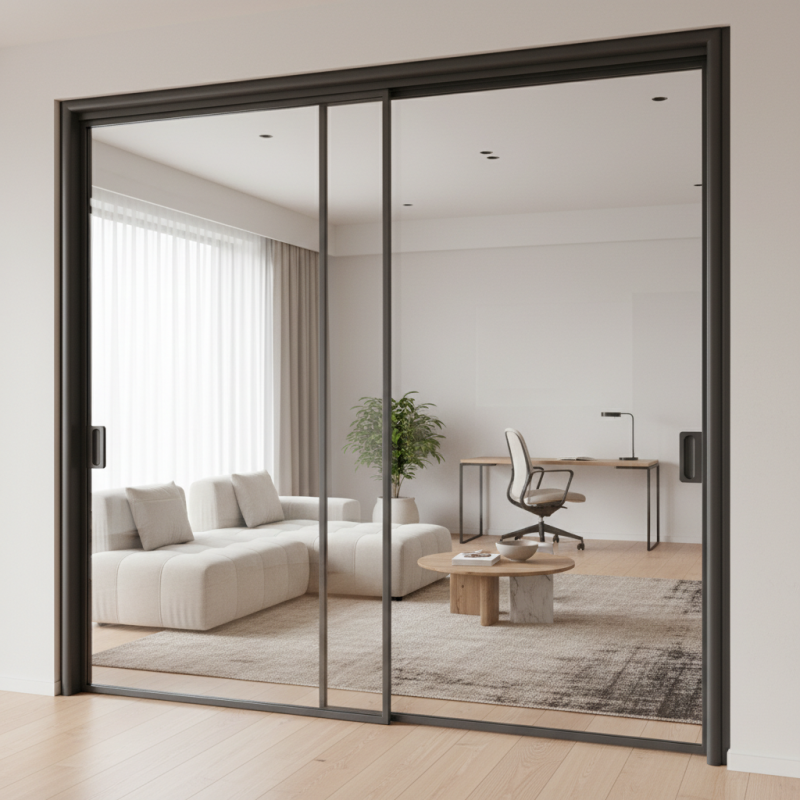
2026 Best Ways to Enhance Soundproofing for Glass Doors?

Understanding Soundproofing Basics for Glass Doors

Enhancing soundproofing for glass doors requires understanding the basics of sound transmission. Glass doors, while elegant, allow noise to enter and escape easily. This can disrupt your peace. To tackle this challenge, one must consider various strategies.

Using thick curtains can be a simple yet effective method. They add an extra layer of insulation, reducing noise intrusion. Acoustic panels are another option. Installing them nearby can absorb sound vibrations. They come in various designs to complement your decor.

Sealing gaps is crucial. Check the frames for any openings. Draft stoppers can also help minimize sound leakage. Remember, even minor adjustments can make a difference. Each step contributes to a quieter home environment.

2026 Best Ways to Enhance Soundproofing for Glass Doors

This chart displays the effectiveness rating of various methods to enhance soundproofing for glass doors in 2026, rated on a scale of 1 to 10. The most effective method is double glazing, while door sweeps are rated the least effective among the options provided.

Choosing the Right Glass Thickness for Optimal Sound Isolation

When it comes to soundproofing glass doors, choosing the right glass thickness is essential. Thicker glass provides better sound isolation. Generally, a minimum thickness of 10 mm is recommended for effective sound reduction. This thickness absorbs sound vibrations better than thinner alternatives. Additionally, laminated glass can enhance soundproofing. It's constructed with two panes and an interlayer, which dampens noise even more.

Tips for selecting glass thickness include considering your location. If you live in a noisy area, opt for thicker glass. A thickness of 12 mm to 15 mm might be ideal. Remember, there can be diminishing returns. After a certain point, increasing glass thickness yields only marginal improvements in sound isolation.

Also, consider the door's frame. A well-sealed frame can make a significant difference in overall effectiveness. Ensure the door is properly fitted and sealed to prevent sound leakage. Regularly check for gaps or wear in seals. Addressing these details can enhance soundproofing. Overall, finding the right balance in glass thickness and proper installation is key to achieving optimal sound isolation for your glass doors.

Exploring Acoustic Seals and Weatherstripping Techniques

When enhancing soundproofing for glass doors, acoustic seals and weatherstripping play crucial roles. According to the Journal of Architectural Acoustics, properly sealing gaps can reduce noise transmission by up to 70%. This means that investing time in these techniques can significantly improve your indoor sound environment.

Acoustic seals should be installed around the edges of glass doors. These seals act as a barrier against sound waves. They are often made from materials like foam or rubber, which absorb vibrations. Weatherstripping, on the other hand, minimizes air leaks that can exacerbate noise issues. A study from the National Institute of Standards and Technology highlights that weatherstripping can also improve energy efficiency, resulting in lower utility bills.

While many do-it-yourself solutions exist, proper installation is crucial. An imperfect seal may still allow sound to penetrate. Homeowners must measure the door frame carefully and choose the right materials for their specific needs, reflecting on the importance of precision in soundproofing efforts. Each door will have unique characteristics, requiring tailored approaches. Adjustments may be necessary for optimal results. Engaging with professionals or refer to reputable guides can enhance your efforts in creating a quieter home.

2026 Best Ways to Enhance Soundproofing for Glass Doors

Method Description Effectiveness Cost
Acoustic Seals Flexible seals that fill gaps around doors to reduce sound leakage. High $50 - $150
Weatherstripping Material applied along edges of doors to minimize air and sound infiltration. Moderate $10 - $100
Double Glazing Installing two layers of glass to create a buffer against sound. Very High $300 - $1000
Soundproof Curtains Heavy fabric curtains that absorb sound waves and minimize noise. Moderate $50 - $200
Door Sweeps Seals placed at the bottom of doors to block sound passage. High $10 - $40

Implementing Sound-Absorbing Materials in Door Designs

When enhancing soundproofing for glass doors, one effective strategy is to incorporate sound-absorbing materials directly into the design. Fabrics like acoustic panels can be installed alongside glass doors. These panels are designed to reduce sound reflection, making spaces quieter. They come in various styles, so they can blend seamlessly with your decor. Utilizing these materials can create a more peaceful atmosphere.

Some might underestimate the importance of door seals. These softer materials help fill gaps that allow noise to penetrate. Using weather stripping or foam seals can make a noticeable difference. However, not all seals are equally effective. It's essential to choose high-quality options that truly enhance soundproofing. Some materials lose effectiveness over time, requiring regular checks.

Still, it’s important to remember that no solution is perfect. Some sound will inevitably pass through glass doors. Combining different methods often yields the best results. Engaging a professional can ensure you choose the right materials. This approach brings both expertise and creativity to your soundproofing project, providing insights that can significantly improve overall effectiveness.

Enhancing Structural Support to Reduce Noise Transmission

Enhancing structural support is crucial in reducing noise transmission through glass doors. When dealing with glass, sound can travel easily through thin materials. A solid framework can significantly impact how much noise infiltrates a space. Studies indicate that soundproofing performance can improve by up to 70% with reinforced structures. This is not just about using thicker glass; the entire framing needs consideration.

Using materials like soundproofing trims or acoustic seals around the door helps create a barrier. These additions can block sound waves effectively. The spacing and quality of the door frame also play significant roles. Research shows that a well-sealed frame can reduce noise by over 10 decibels. In a typical apartment setting, that might make the difference between silence and disruptive noise levels.

It's important to recognize the limitations of certain upgrades. Not all glass doors are designed for soundproofing. Incompatible materials can sometimes worsen noise issues. A careful assessment is essential before making changes. Building regulations may also dictate what can be modified. It’s critical to balance aesthetics with functionality. When enhancing structural support, staying informed about the latest building techniques and materials is vital.

FAQS

: How can I improve soundproofing for glass doors?

: Use thick curtains to reduce noise intrusion. Acoustic panels can also absorb sound vibrations nearby.

What is the recommended glass thickness for soundproofing?

A thickness of at least 10 mm is suggested for effective sound reduction. Thicker glass is better.

Can laminated glass help with soundproofing?

Yes, laminated glass has two panes with an interlayer that dampens noise effectively.

How do I seal gaps around my glass door?

Check the door frames for openings and use draft stoppers to minimize sound leakage.

What thickness is ideal if I live in a noisy area?

Opt for glass between 12 mm and 15 mm to enhance sound isolation in loud environments.

Does frame quality impact soundproofing?

Yes, a well-sealed frame reduces sound leakage significantly. Regularly check for wear and gaps.

Can minor adjustments really make a difference?

Yes, even little changes can improve soundproofing, contributing to a quieter home.

Is there a point where thicker glass doesn’t help much?

Yes, after a certain thickness, improvements in sound isolation become marginal. Balance is key.

Conclusion

To improve soundproofing in minimalist interior glass doors, it is essential to understand the fundamentals of soundproofing, starting with the selection of appropriate glass thickness, which directly influences sound isolation. Thicker glass can significantly reduce noise transmission, making it a critical factor in soundproofing design.

Additionally, incorporating acoustic seals and weatherstripping can enhance the door's overall effectiveness by preventing sound leakage around edges. Another effective strategy is to integrate sound-absorbing materials into the door's design, which can help mitigate noise transmission. Finally, reinforcing the structural support around the door can further reduce vibration and noise transfer, thereby greatly improving soundproofing. By employing these techniques, homeowners can achieve a quieter environment while maintaining a sleek and modern aesthetic.

Sienna

Sienna

Sienna is a skilled marketing professional with a deep expertise in our company’s core products and services. With a passion for innovation and detail, she plays a pivotal role in crafting insightful blog posts that not only highlight the unique features of our offerings but also provide valuable......