Do Fire Rated Doors Always Need to Be Self Closing?

Time:2026-05-19 Author:Aria
0%

Fire-rated doors are crucial in ensuring safety and minimizing fire damage in buildings. Their significance cannot be overstated. However, a common question arises: "Do fire-rated doors need to be self-closing at all times?" Understanding the requirements and best practices surrounding fire-rated doors is essential for any property manager or building owner.

Fire-rated doors play a vital role in passive fire protection. They help contain fires and smoke. Their design often features mechanisms that allow for self-closing. This feature ensures they remain closed and effective during a fire. However, some may question if this self-closing requirement is absolute.

Different codes and regulations provide various answers. Some circumstances might permit exceptions. Yet, without understanding these nuances, one might overlook crucial safety measures. Evaluating when self-closing functionality is necessary can be complex and requires careful consideration. Navigating these guidelines ensures safety and compliance in any building environment.
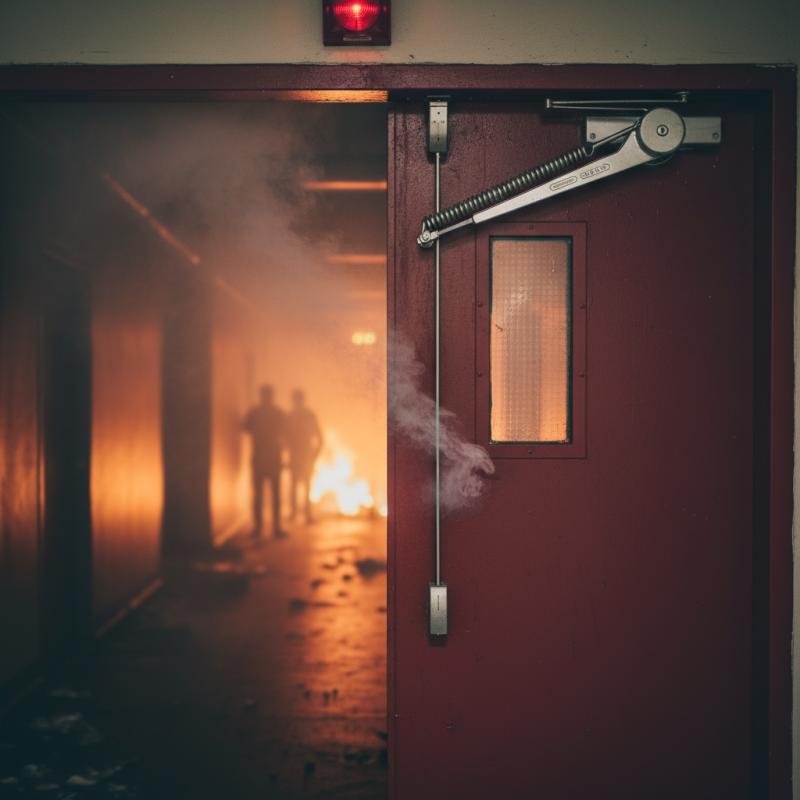
Do Fire Rated Doors Always Need to Be Self Closing?

Fire Rated Doors: Definition and Purpose

Fire rated doors are crucial for building safety. Their primary role is to prevent the spread of fire and smoke. Made from specific materials, these doors resist flames for a predetermined time. This feature is vital in saving lives during emergencies. Often, people overlook their maintenance and operation. Regular checks can ensure they function correctly.

The question of self-closing mechanisms arises. Many assume all fire rated doors must be self-closing. However, this is not always the case. In some installations, a self-closing door isn't required. For example, doors that lead to open spaces may not need this feature. This nuance is important for builders and safety managers. Building codes vary by region. It's essential to be aware of local regulations.

Understanding the purpose of fire rated doors goes beyond mere compliance. They serve as barriers, protecting vital escape routes. Adequate training for personnel is necessary. Staff should understand how fire rated doors operate and their importance. The more informed everyone is, the safer the environment becomes. It's a collective responsibility to ensure these doors are properly maintained and utilized.

Fire Rated Doors: Self-Closing Requirements

Importance of Fire Safety in Building Codes

Fire safety is a critical aspect of building codes that cannot be ignored. Compliance with regulations can significantly reduce risks in both residential and commercial settings. According to the National Fire Protection Association (NFPA), about 3,390 civilian deaths resulted from fire incidents in the United States in 2020 alone. These statistics underscore the dire need for effective fire prevention measures, especially fire-rated doors.

Fire-rated doors are designed to contain fire and smoke, allowing occupants to escape safely. However, there is an ongoing debate about whether these doors should always be self-closing. Self-closing mechanisms ensure that doors close automatically, preventing the spread of flames and smoke. The International Building Code (IBC) outlines that many fire-rated doors must be self-closing, but there are exceptions based on usage and building design. This raises questions about potential vulnerabilities in building safety. Without self-closing features, doors could remain open, increasing the chances of a devastating fire spreading.

Furthermore, even when regulations exist, compliance can be inconsistent. A review by the U.S. Fire Administration revealed that many properties lack the necessary fire door inspections and maintenance. This oversight can lead to life-threatening situations during emergencies. The importance of adhering to fire safety guidelines cannot be overstated; it is a responsibility that affects not just the occupants but also surrounding communities.

Self-Closing Mechanisms: Functions and Benefits

Self-closing mechanisms in fire-rated doors serve crucial roles in enhancing safety. They ensure that doors close automatically after being opened. This closing feature prevents the spread of smoke and fire, essential for protecting occupants and property. According to the National Fire Protection Association (NFPA), self-closing doors can reduce fire damage by up to 75%. This statistic underscores the importance of these mechanisms in any building code.

Regular maintenance of self-closing devices is vital. Studies show that over 30% of self-closing doors malfunction due to improper installation or wear. Frequent inspections can help identify issues before they compromise safety. For example, door hinges and automatic closers should be checked regularly to ensure they function smoothly. Even minor alignments may be necessary to guarantee door effectiveness.

The installation of self-closing mechanisms also provides benefits beyond safety. They can enhance energy efficiency by minimizing drafts and maintaining temperature control. However, they sometimes pose challenges. Doors may close too quickly, posing safety risks to users. This balance of functionality and safety requires ongoing evaluation and refinement. Attention to these details can lead to improved safety in various environments, including commercial and residential buildings.

Exceptions to Self-Closing Requirements

Fire rated doors are critical in maintaining safety by preventing the spread of flames and smoke. However, self-closing mechanisms are not always mandatory. The International Building Code provides several exceptions based on unique building designs. For instance, doors in certain residential areas may not require self-closing features if they serve as exits. Additionally, some commercial spaces may have different guidelines depending on occupancy type and egress considerations.

Each exception brings its own set of requirements. For example, in educational facilities, self-closing doors may not be needed if they lead to a common area frequently accessed by students. Nevertheless, these exceptions often depend on local regulations. Safety experts emphasize the importance of consulting local codes to ensure compliance.

Tips: Regular inspections of fire rated doors can help identify wear or damage, improving overall safety compliance. Keep records of all inspections, as they may be required for future assessments. Remember, while exceptions exist, ensuring doors close securely plays a substantial role in fire safety.

Regulatory Variations and Regional Practices

When considering fire-rated doors, the requirement for self-closing mechanisms often varies significantly by region. Regulations differ not just between states, but within local jurisdictions as well. Regions with higher fire risks may enforce stricter rules. These rules can mandate that fire doors be self-closing to contain flames and smoke during an emergency.

In some areas, self-closing doors enhance safety, as they act as vital barriers. Doors left ajar can allow smoke and fire to spread quickly. However, other jurisdictions may allow alternative closing methods, or the door may not need to be self-closing if certain conditions are met. It's important to check local regulations.

**Tips:** Always verify your local building codes. Consult fire safety professionals for the best practices. Installing a self-closing device can save lives and property, even if it’s not required. Evaluate your specific situation to make informed decisions.

Do Fire Rated Doors Always Need to Be Self Closing? - Regulatory Variations and Regional Practices

Region Building Type Self-Closing Requirement Regulatory Source
North America Commercial Yes International Building Code (IBC)
Europe Residential Varies by Country European Fire Safety Regulations
Australia Healthcare Yes National Construction Code (NCC)
Asia Industrial Yes National or Local Fire Safety Codes
South America Mixed-Use Varies by City Local Fire Safety Regulations

FAQS

: What are fire rated doors?

: Fire rated doors are designed to prevent the spread of fire and smoke. They are essential for building safety.

How long can fire rated doors resist flames?

They can resist flames for a predetermined time, which varies based on the material used. This is critical for safety.

Do all fire rated doors need to be self-closing?

Not necessarily. Some installations, like doors to open spaces, may not require self-closing features.

Why is maintenance of fire rated doors important?

Regular maintenance ensures they function properly. Ignoring checks can compromise safety during emergencies.

How can self-closing mechanisms help in fire safety?

They automatically close doors after being opened, preventing smoke and fire spread. This greatly enhances safety.

What percentage of self-closing doors malfunction?

Studies show over 30% malfunction due to issues like improper installation or wear. Regular inspections can help.

What are the benefits of self-closing devices?

Besides enhancing safety, they can improve energy efficiency by reducing drafts and controlling temperature.

What challenges exist with self-closing doors?

They can close too quickly, posing a risk to users. Balance is needed for functionality and safety.

How can staff training improve safety with fire rated doors?

Informed staff understand door operations and their importance, leading to a safer environment for everyone.

What is the collective responsibility regarding fire rated doors?

Ensuring proper maintenance and usage is essential for everyone involved, impacting overall safety in buildings.

Conclusion

Fire-rated doors play a crucial role in enhancing safety within buildings by slowing the spread of fire and smoke. Their purpose is defined by building codes that prioritize fire safety, ensuring that occupants have a means of egress during an emergency. One key feature of many fire-rated doors is their self-closing mechanism, which automatically closes the door after it is opened, maintaining the seal that is vital for fire containment.

However, the question arises: do fire-rated doors need to be self-closing at all times? While many regulations mandate self-closing doors, there are exceptions based on specific circumstances and regional practices. Understanding these variations is essential for compliance with local fire safety laws and ensuring the overall effectiveness of fire-rated doors in maintaining safety standards.

Aria

Aria

Aria is a dedicated marketing professional with a deep passion for innovative strategies and a keen understanding of our company's product offerings. With a wealth of experience in the industry, Aria excels at crafting engaging content that highlights the unique features and benefits of our......