Understanding fire door ratings is crucial for safety in buildings. These ratings indicate how long a door can withstand fire and prevent smoke from spreading. According to the National Fire Protection Association (NFPA), nearly 3,390 civilians died in fire-related incidents in 2020. Fire doors play a vital role in reducing casualties.
So, how to read fire door ratings and what do they mean? Ratings are expressed in terms of hours, like 1-hour or 2-hour ratings. This means the door can withstand fire for that duration. Various factors affect these ratings, such as materials used and the construction of the door itself.
Fire door standards can often be complex. Many industry reports suggest that improper installation can compromise their effectiveness. It's essential to pay attention to details like seals and frames. Understanding these aspects can make a significant difference in fire safety. Engaging in continuous education about fire door ratings is necessary for professionals and occupants alike.
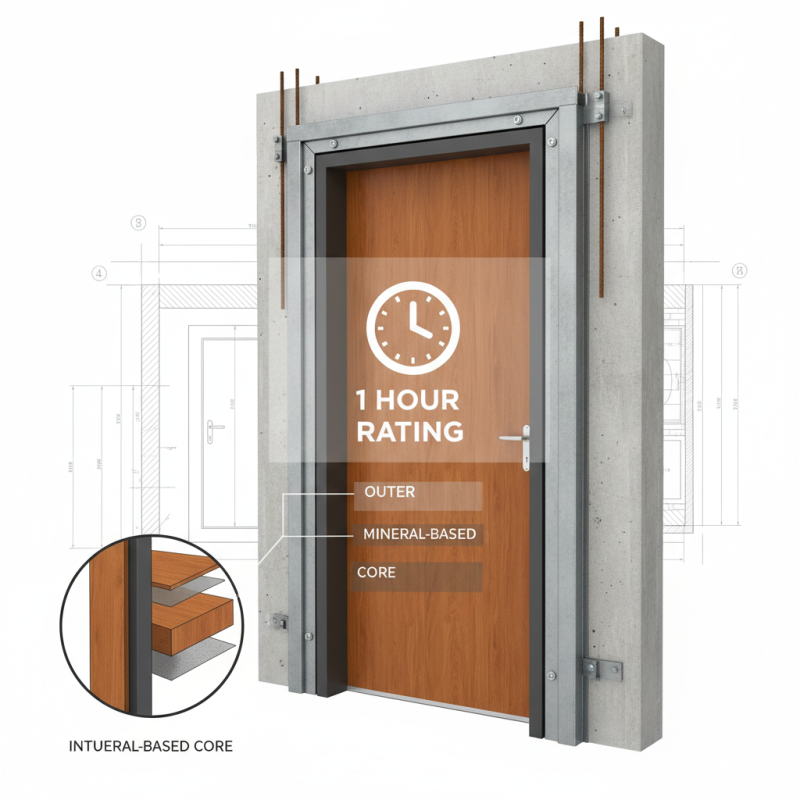
Fire door ratings indicate how long a door can withstand a fire. These ratings are crucial for safety in buildings. Typically, you will find ratings like 20, 45, or 90 minutes. Each rating means something different for protection levels.
Understanding the material is important. Fire doors often use special cores and coatings. These materials can help slow the spread of flames. However, not every door labeled as a fire door meets these standards. Some might look good but fail in an emergency.
Another aspect to consider is installation. A well-rated door can’t protect if improperly installed. Gaps and poor sealing undermine its rating. Regular inspection is also necessary. Wear and tear can diminish effectiveness over time. Neglecting small issues can lead to significant risks when it matters most.
Fire doors play a critical role in maintaining building safety. They are designed to contain fires and hinder their spread. This is vital for protecting lives and property. Understanding fire door ratings helps ensure that these doors function correctly. Each rating indicates how long a door can withstand fire. Common ratings include 20, 30, and 60 minutes. Buildings need to meet specific requirements based on their use.
In many cases, people overlook the importance of proper installation and maintenance. A fire door that does not close correctly can be ineffective. Visual inspections can help identify issues like gaps or faulty hardware. If a door does not latch or has damage, its performance is compromised. Regular checks are essential, yet they are often neglected. Raising awareness about fire door ratings and their upkeep is crucial for safety cultures in buildings.
Utilizing well-rated, properly maintained fire doors could save lives in emergencies.
Understanding fire door ratings starts with knowing their key components. Fire doors are rated based on their ability to withstand flames and heat. This rating is crucial for safety in buildings. Common ratings include 20, 45, 60, and 90 minutes. Each number reflects the time the door can resist fire. A fire door rated for 90 minutes is generally more robust than one rated for 20 minutes.
Materials play a significant role in determining fire door ratings. Steel and solid wood are popular choices. They are dense and can endure high temperatures. Insulation also affects performance. Some doors feature mineral cores that enhance their fire resistance. Additionally, the design and installation matter. Gaps around the door must be minimal. Any flaw in installation can compromise safety.
Regular maintenance is essential. Inspections help identify wear and tear. A cracked or warped door may fail when needed most. It’s important to document inspections meticulously. This can be reflective of how seriously one takes fire safety. Consider always assessing the environment and usage of fire doors. They should never be blocked or propped open, as this greatly diminishes their effectiveness.
Fire doors are crucial for building safety. Understanding fire door ratings can help in making informed decisions. Different types of ratings indicate how long a door can withstand fire. Common ratings include 20, 45, 60, and 90 minutes. A 20-minute door is suitable for low-risk areas. In contrast, a 90-minute door is needed where higher levels of safety are necessary.
When choosing fire doors, consider the specific environment. High-occupancy areas often require more stringent ratings. Look for doors with proper certifications. It's essential to ensure that doors are installed and maintained according to local regulations. Regular inspections are vital. They can identify potential issues that may render a door ineffective.
A key tip: never ignore signs of wear, such as rust or damage. Even minor issues can compromise a door's rating. Another important aspect is ensuring that door hardware is also rated for fire protection. Faulty hardware can lead to failure during an emergency. Understanding these nuances is essential for fire safety. Having well-rated fire doors is not just a compliance issue; it can save lives.
This chart illustrates the different fire door ratings based on the time they can withstand fire. The ratings show how long each type of fire door can resist fire spread.
Fire doors are essential for building safety. Proper maintenance and inspection increase their effectiveness. According to the National Fire Protection Association (NFPA), about 3,400 deaths occur annually due to fires in buildings. Regularly checking fire doors can reduce these risks.
Inspect fire doors at least twice a year. Look for any signs of damage. Ensure the door closes fully and latches properly. Gaps around the door should be no more than a quarter-inch. If gaps widen, smoke and flames can escape during a fire, rendering the door ineffective.
Here are some tips to enhance fire door maintenance. Clean the door regularly to remove dust and debris. This ensures seals work efficiently. Pay attention to the door’s frame and hardware. If the hinges are rusty or the frame is misaligned, it may not function during an emergency. Sometimes, it’s easy to overlook these details. Regular inspections remind us to focus on what truly matters. Always keep an eye out for the little things that can make a big difference in safety.
: Fire door ratings indicate how long a door can withstand fire, which helps contain fires and protect lives.
Common ratings include 20, 30, 45, 60, and 90 minutes, depending on the risk levels in various areas.
If a fire door does not close properly, it can be ineffective and compromise safety during an emergency.
Look for gaps, faulty hardware, rust, or damage. Regular checks are crucial for maintaining effectiveness.
Regular inspections should be ongoing. Many people neglect this, putting safety at risk.
High-occupancy areas typically require more stringent ratings for increased safety.
Yes, fire door hardware must also be rated for fire protection to ensure full effectiveness.
Absolutely. Even small signs of wear can lead to compromised performance during emergencies.
Raising awareness about fire door ratings and their upkeep is crucial for fostering a safety culture in buildings.
Using poorly rated doors can lead to ineffective fire containment, risking lives and property during emergencies.
Understanding fire door ratings is crucial for ensuring safety in buildings. Fire door ratings indicate the amount of time a door can withstand fire exposure, which is vital for containing flames and smoke during an emergency. Key components such as materials, construction methods, and glazing play significant roles in determining these ratings. Different types of fire door ratings are established to meet various building codes and safety requirements, reflecting the door's durability and protective capabilities.
To properly maintain and inspect fire doors, it is essential to know how to read fire door ratings and what do they mean. Regular inspections can ensure that fire doors remain functional and comply with safety standards, thereby safeguarding occupants and minimizing risks during potential fire incidents. Understanding these critical aspects can help enhance overall building safety and preparedness against fire hazards.

CR Doors