Fire safety is a critical concern in high-rise commercial buildings. These structures pose unique challenges in case of emergencies. One essential element in ensuring safety is the installation of fire doors. They provide a barrier against smoke and flames, helping to protect life and property.
So, why are fire doors required in commercial high-rise buildings? Fire doors are designed to compartmentalize fire and contain it to specific areas. This slows down the spread of flames and smoke, allowing occupants time to evacuate safely. Without them, fire can easily engulf hallways, stairwells, and exit routes.
Furthermore, regulations mandate that high-rise buildings adhere to strict fire safety codes. These codes outline the necessity of equipped fire doors to maintain safe escape routes. While some may question their effectiveness, the statistics are clear. A well-functioning fire door can significantly reduce the risk of fatalities during a fire. Thus, embracing fire door requirements is not just an obligation; it’s a critical step toward safeguarding lives.
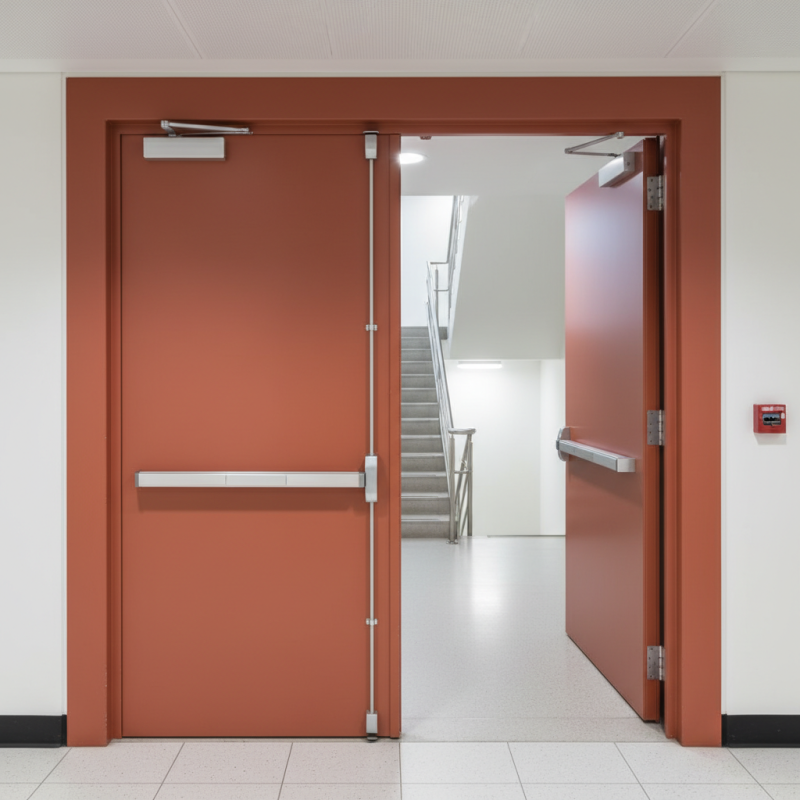
Fire doors play a critical role in the safety of high-rise commercial buildings. These doors are designed to prevent the spread of fire and smoke between different floors and sections. Their effectiveness can significantly impact evacuation time and the overall safety of occupants. A well-placed fire door can save lives during an emergency, ensuring that people have enough time to escape.
Implementing fire doors requires careful planning. They must be installed in strategic locations, such as stairwells and corridor entrances. Regular maintenance checks are essential to ensure that these doors function correctly. If a fire door is blocked or faulty, it may fail to provide protection.
Tips for maintaining fire doors include checking for proper seals, ensuring hinges are not damaged, and confirming that doors close completely. Engage a professional for yearly inspections. Proper signage can also guide occupants in an emergency, ensuring they know where to find safe exits. Fire doors are not just regulatory requirements; they are fundamental to safeguarding lives in a high-rise environment.
Fire door regulations play a pivotal role in ensuring safety in high-rise commercial buildings. These regulations mandate the installation of fire doors in strategic locations. Fire doors must meet specific standards to effectively contain fires and smoke. They act as barriers, allowing occupants time to evacuate. Regular inspections are crucial to maintain their integrity.
Building codes often outline the required ratings for fire doors. A door's fire-resistance rating indicates how long it can withstand flames. Typical ratings range from 20 to 90 minutes. These specifications vary based on the building's height and use. Compliance with these standards is not just a legal obligation; it is essential for occupant safety.
Training and awareness are also important. Not everyone understands how to properly use fire doors. If they are propped open or damaged, their effectiveness is compromised. Periodic staff training can enhance awareness. This can help in making informed decisions regarding safety measures. Maintaining these standards requires ongoing commitment from property owners and managers.
Fire doors play a crucial role in enhancing safety within high-rise commercial buildings. They are designed to contain fire and smoke, preventing them from spreading rapidly. According to the National Fire Protection Association (NFPA), over 50% of fire-related deaths occur in buildings that lack adequate fire safety systems. This statistic highlights the importance of implementing effective fire protection measures, such as fire doors.
These specialized doors are tested for fire resistance and are integral to a building's emergency strategy. A well-installed fire door can maintain its integrity for up to 90 minutes during a fire. This delay offers precious time for occupants to evacuate safely, reducing the risk of injuries and fatalities. High-rise buildings often present unique challenges. Compartmentalization is critical, as tenants on upper floors may have limited escape routes.
Fire doors play a critical role in high-rise commercial buildings. Their purpose is to contain fires and smoke, preventing them from spreading through various floor levels. The most common materials used for fire doors include steel, fiberglass, and wood. Steel doors often rank highest in durability and fire resistance, while fiberglass offers a lighter option with decent fire ratings. Wood doors may be aesthetically pleasing but must meet specific fire resistance thresholds.
In commercial settings, designs range from single doors to double sets, with varying fire ratings. For example, doors can have ratings of 20, 45, or even 90 minutes. According to the National Fire Protection Association (NFPA), efficient fire doors can reduce fire-related fatalities significantly. In a recent industry report, it was highlighted that buildings equipped with compliant fire doors saw a 40% decrease in smoke-related injuries.
However, not all installations are perfect. Some fire doors are improperly fitted or obstructed, reducing their effectiveness during emergencies. Regular inspections are crucial to ensure they function as intended. Failure to adhere to safety standards can have dire consequences. Ensuring that fire doors meet local building codes is essential for the safety of occupants in high-rise structures.
Fire doors play a pivotal role in the safety of high-rise commercial buildings. To function effectively, these doors must undergo regular maintenance and inspection. Understanding this process is essential. Regular checks help identify wear and tear that can compromise the door's integrity.
Maintenance should focus on checking the door seals and hinges. Look for gaps in seals, as they can allow smoke or flames to pass through. Hinges should be lubricated to ensure smooth operation. Regular inspections should be conducted at least twice a year. Training staff on the importance of these checks can enhance safety protocols.
Inadequate inspection often leads to overlooked issues. Some management teams may neglect scheduling, leading to potential hazards. Documentation of maintenance records is crucial. This not only aids in compliance but also helps in assessing the door's performance over time. Balancing diligence with practicality is vital for maintaining fire doors effectively.
: Fire doors are designed to contain fire and smoke, preventing rapid spread within a building.
A well-installed fire door can maintain its integrity for up to 90 minutes.
Regular maintenance helps identify wear and tear, ensuring the door's effectiveness and compliance with safety standards.
Check seals for gaps and ensure hinges operate smoothly during maintenance.
Fire doors should be inspected at least twice a year for optimal performance.
Propped open fire doors diminish their protective benefits, increasing safety risks.
Compartmentalization helps tenants escape safely by limiting fire's reach in multi-level buildings.
Some management teams neglect scheduling routine inspections, creating potential safety hazards.
Training staff enhances safety protocols and ensures proper maintenance is prioritized.
Documentation aids compliance and helps assess the door's performance over time.
Fire doors play a critical role in enhancing safety within high-rise commercial buildings, acting as a vital barrier against the spread of fire and smoke. With strict regulations and standards governing their design and installation, these doors are essential for protecting both occupants and property. The question, "Why are fire doors required in commercial high-rise buildings?" can be answered by their ability to compartmentalize fires, providing additional time for evacuation and response in the event of an emergency.
In addition to their regulatory significance, fire doors come in various materials and designs tailored for different commercial environments, ensuring both functionality and aesthetic appeal. Regular maintenance and inspection practices are crucial to ensure these doors remain effective over time, as even minor deficiencies can compromise their performance. By prioritizing the proper installation and upkeep of fire doors, building managers can significantly enhance the overall safety and resilience of high-rise structures.

CR Doors