A fire rolling shutter should open smoothly, with a steady motor sound and an even movement across its guides. A sudden squeal, grinding noise, or metallic rattle can signal friction, loose hardware, a worn component, or a motor under strain. The sound alone does not identify the cause. That matters.
If you are asking, “Why is my fire rolling shutter making noise when it opens?”, start by noticing when the noise occurs. Does it begin immediately, grow louder halfway up, or happen only after the shutter has been idle? Note any jerking, uneven movement, visible debris near the side guides, or changes in the control response. These details can help a qualified technician narrow down the issue.
It is tempting to assume a little lubrication will solve the problem. That may be wrong, and applying products without checking the manufacturer’s instructions can create new problems or mask wear. Do not force a shutter that sticks, moves unevenly, or makes a harsh grinding sound. Keep the area clear, and arrange an inspection by a competent fire-shutter technician, especially if the unit protects an exit or separates fire zones. Its safety function comes first.
This guide explains common noise sources, simple observations you can make without dismantling the assembly, and when professional repair is appropriate. Not every rattle has an obvious answer. Careful diagnosis is safer than guessing.
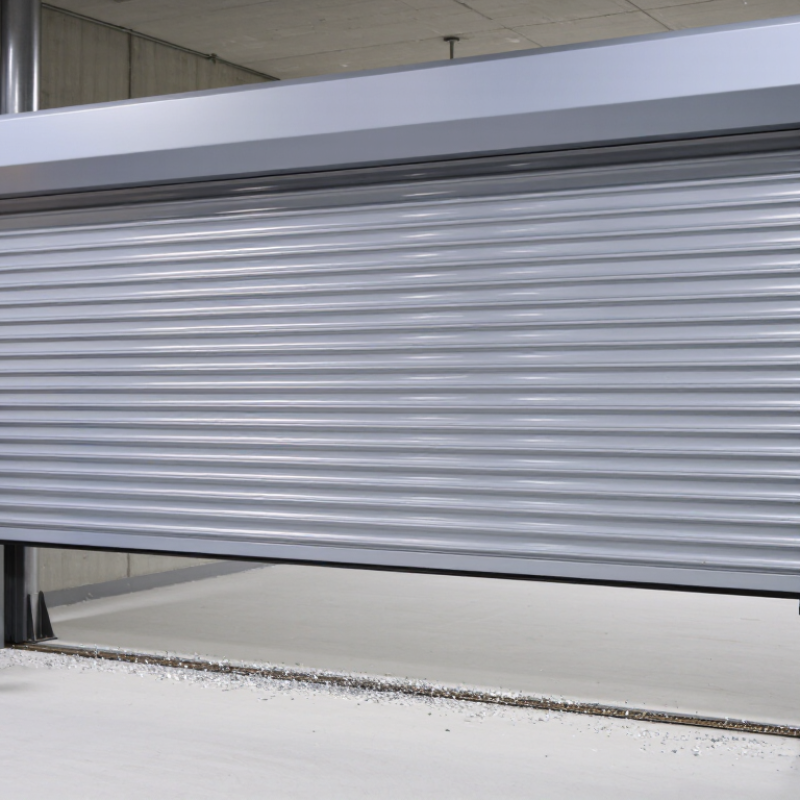
A fire shutter may rattle, scrape, or squeal as it opens. The sound often points to friction or movement, not one single fault. Dust, paint flakes, or small debris inside the guide channels can make the curtain drag. You may hear a steady scrape that grows louder near one side. That detail matters. A shutter that sits unevenly may also rub against its guides because of misalignment, worn components, or loose fixings. It is easy to blame the motor, though that assumption can waste time.
A high-pitched squeal can come from dry or worn bearings, while a low groan may suggest strain in the drive system. A sudden clunk could mean a loose part or a curtain section catching as it travels. Listen from a safe distance and note when the noise starts, whether it repeats, and if the shutter moves smoothly. Do not force it or remove covers to investigate. Avoid applying oil or grease unless the equipment instructions specify a suitable product; the wrong lubricant can attract dirt or affect operation. If movement is jerky, the curtain hangs unevenly, or the noise worsens, stop using it and ask a qualified fire-shutter technician to inspect the guides, fixings, and drive components. Do not guess.
A noisy fire shutter often tells you where to look. A scrape may point to debris or a bent guide track; a sharp rattle can come from loose slats or fasteners. With the shutter closed and isolated from power, inspect the tracks for grit, dents, and uneven gaps. Do not force the curtain or reach into its path. A little noise can be misleading. Clean accessible debris with a soft brush, then check whether the slats sit evenly. Avoid oiling parts unless the manufacturer’s instructions specify a suitable lubricant, since the wrong product can collect dust.
Listen as the shutter opens: a steady motor hum differs from a strained buzz, while repeated clunks may signal binding or uneven movement. Springs and counterbalance parts store significant force; leave their adjustment or repair to a qualified technician. NFPA 80, the Standard for Fire Doors and Other Opening Protectives, sets an annual inspection and operational-testing interval for rolling steel fire doors. That benchmark matters: a quiet shutter is not proof that it will close properly in a fire. If the noise persists, movement slows, or the curtain jerks, stop operating it and arrange a professional inspection. The sound alone rarely reveals the whole fault.
When a fire shutter squeals or grinds as it rises, inspect it before applying lubricant. Dust, grit, and hardened residue can collect in the side guides and around the barrel. With the shutter secured and isolated according to its service instructions, remove loose debris using a soft brush or vacuum. Wipe accessible surfaces with a lightly damp cloth, then dry them fully. Listen carefully. A scraping sound may point to debris or misalignment, not a dry bearing.
Lubricate only the bearings, rollers, or other points specifically approved in the shutter’s maintenance instructions. Use the specified product and amount; excess lubricant can trap dust or reach surfaces that must remain clean. Keep lubricant away from the curtain, release devices, and braking components unless instructions explicitly permit it. NFPA 80 (2022 edition) calls for fire-door assemblies to be inspected and tested at least annually. Record the service and any changes in operating sound.
A quieter shutter is not necessarily a safe shutter. Test its operation only as directed, and never force a curtain that catches or drops unevenly. A little residue may be the whole problem; sometimes it is not. If noise persists after approved cleaning and lubrication, stop and arrange inspection by a qualified fire-door technician.
A fire shutter that squeals or scrapes as it rises may have worn rollers, loose fixings, or curtain slats rubbing against a guide. Listen closely. Note whether the noise comes from one side, changes near the floor, or occurs throughout the opening cycle. These details help a qualified technician locate the fault without guessing.
With the shutter isolated and secured, a trained service technician can check guide alignment, fasteners, bearings, and the curtain’s condition. A slightly displaced guide may need careful realignment; a cracked slat or worn roller usually needs replacement, not a quick bend or patch. Do not force it. The shaft, spring, motor, and release mechanism can store energy, so adjustments there are not suitable for casual DIY work.
Lubrication is not always the answer. The wrong product can attract dust, while excess lubricant may hide wear rather than fix it. Use only the lubricant and method specified for that shutter. If the curtain hesitates, drops unevenly, or makes a sudden grinding sound, stop operating it and arrange an inspection. I would not assume a small rattle is harmless; fire shutters must close reliably when called upon. Keep the area clear, and never leave the protection system disabled while waiting for repairs.
Compare sound levels at each stage of operation to help pinpoint when the noise occurs. These illustrative sample readings are not field measurements or safety limits.
What to check: A rise in noise as the shutter moves may indicate worn rollers or guides, loose hardware, or misalignment. Inspect components and follow the shutter manufacturer’s maintenance instructions; adjust or replace worn parts as needed. Use a sound-level meter in the same position for each reading.
How to Fix a Noisy Fire Shutter When Opening?
Test the Shutter and Contact a Qualified Technician if Needed
A scraping, rattling, or sudden squeal deserves attention. From a safe position, operate the fire shutter once and note when the sound occurs. Watch for jerking movement, uneven travel, a loose-looking guide rail, or debris near the opening. Keep clear of moving parts. Do not force the shutter or remove covers; noise alone cannot reveal whether a spring, motor, or track is at fault. Stop there if movement is irregular, the shutter sticks, or the sound grows louder.
Tips: Record a short video and note whether the noise happens during raising, lowering, or both. Keep people clear of the opening. Avoid applying oil or adjusting components unless the manufacturer’s instructions specifically allow it; the wrong fix may affect operation.
If the noise persists, arrange an inspection with a qualified fire-shutter technician. Ask them to check the guides, fasteners, balance, drive system, and safety controls, then document any repair and test. NFPA 80, the Standard for Fire Doors and Other Opening Protectives, calls for fire door assemblies to be inspected and tested at least annually. This is a maintenance benchmark, not proof that a noisy shutter has failed. A quiet test is useful, but it does not replace a competent inspection.
| Noise or observation | Safe initial checks | What to do | Contact a qualified technician when |
|---|---|---|---|
| Light scraping or rubbing during travel | From a safe position, look for visible debris or an obstruction near the shutter guides. Keep hands and objects clear of moving parts. | Remove only loose debris that is safely accessible without touching or adjusting the shutter. Test one normal opening cycle if the path is clear. | Scraping continues, the curtain appears misaligned, or any component is damaged or loose. |
| Squeaking or squealing | Note when the sound occurs and whether the shutter moves smoothly. Check for visible signs of wear without removing covers. | Record the sound and the shutter’s behavior. Do not apply oil, grease, or spray lubricant unless the equipment instructions specifically permit it. | The noise persists, worsens, or seems to come from the drive, bearings, or concealed parts. |
| Rattling, clanking, or repeated knocking | Look for visibly loose items near the opening and check whether the shutter guides or surrounding area appear damaged. Do not tighten or remove shutter components. | Keep the area clear and note whether the sound occurs throughout travel or at a particular point. Avoid repeated test cycles if the noise is severe. | A part appears loose, the shutter jerks, or the noise is loud or sudden. |
| Slow, uneven, or jerky opening | Observe one normal operating cycle from a safe location. Check that the opening path is clear and note any warning lights or unusual control behavior. | Stop testing if the shutter struggles, stalls, or moves unpredictably. Do not force it or bypass its controls. | Movement is inconsistent, the shutter stalls, or its safety or fire-protection operation may be affected. |
| Grinding, burning smell, smoke, or visible damage | Do not approach moving parts or open electrical enclosures. Follow the site’s fire-safety and emergency procedures if there is smoke or a burning smell. | Stop operating the shutter if it is safe to do so, keep the area clear, and notify the responsible building contact promptly. | Immediately. Arrange assessment by a qualified fire-shutter technician before returning the shutter to service. |
| Noise continues after basic checks | Record the date, operating direction, noise description, and any change in movement. Check the equipment documentation for approved operating guidance. | Arrange inspection by a qualified technician familiar with fire shutters. Keep the shutter’s fire-safety function and inspection records in mind. | Any unexplained noise remains, or the shutter’s reliable operation cannot be confirmed. |
Safety note: Fire shutters are life-safety equipment. Do not force the shutter, disable safety devices, remove covers, or attempt repairs beyond simple visual checks. Follow the site’s procedures and the equipment manufacturer’s instructions.
Look for dust, grit, or hardened residue in the side guides and around the barrel. Noise alone does not identify the fault.
Follow its service instructions and secure and isolate it as directed. Remove loose debris with a soft brush or vacuum, then wipe accessible surfaces with a lightly damp cloth. Dry them fully.
Only lubricate bearings, rollers, or other points specifically approved in the maintenance instructions. Use the specified product and amount. Keep it away from the curtain and safety components unless instructions permit it.
No. Stop if it sticks, moves unevenly, jerks, or grows louder. Keep clear of moving parts, and never force the curtain or remove covers.
Record whether the sound occurs while raising, lowering, or both. A short video may help, but it cannot diagnose the cause.
Arrange an inspection if noise continues after approved cleaning and lubrication. Ask the technician to check the guides, fasteners, balance, drive system, and safety controls.
NFPA 80 (2022 edition) calls for inspection and testing at least annually. This benchmark does not prove that a noisy shutter has failed.
Not necessarily. A quiet test is useful, but it does not replace a competent inspection. I may be missing something; sound alone is limited evidence.
A noisy fire shutter may be caused by dust or debris in the tracks, loose or damaged slats, worn springs, misalignment, or a motor that is struggling to operate smoothly. If you’re wondering, “Why is my fire rolling shutter making noise when it opens?” begin with a careful visual inspection of the tracks, slats, springs, and motor for obstructions, wear, or uneven movement. Keep clear of moving parts while checking the shutter.
Clean away loose dirt and debris, then lubricate only components approved for the shutter, following the manufacturer’s instructions. Misaligned or worn parts may need adjustment or replacement; avoid forcing the shutter or making repairs beyond your ability, as this can affect its safe operation. After maintenance, test the shutter through a full opening and closing cycle, listening for persistent noise and watching for jerky movement. If the sound continues, the shutter moves unevenly, or you are unsure what needs attention, stop using it if appropriate and contact a qualified technician to inspect and repair it.

CR Doors