Identifying a fire rated door can be challenging, especially when its label is missing. Many people wonder, "How to tell if a door is fire rated without a label?" This question is crucial for safety, as fire rated doors play a vital role in preventing the spread of fire and smoke. Understanding their characteristics helps in making informed decisions about building safety.
Fire rated doors often exhibit certain physical features. Look for heavy materials, such as solid wood or steel, that indicate durability. The thickness may also suggest fire resistance. Another marker is the presence of a closer or latch that aids in maintaining a tight seal. Observing these elements can guide you in assessing whether a door meets fire safety standards.
While these indicators provide valuable insights, they may not always be definitive. The absence of a label complicates verification. Sometimes, a door may appear robust yet lack the necessary ratings. A conversation with a building safety professional could help clarify any uncertainties. Thus, while identifying a fire rated door without a label is possible, it requires careful attention to detail and expert guidance.
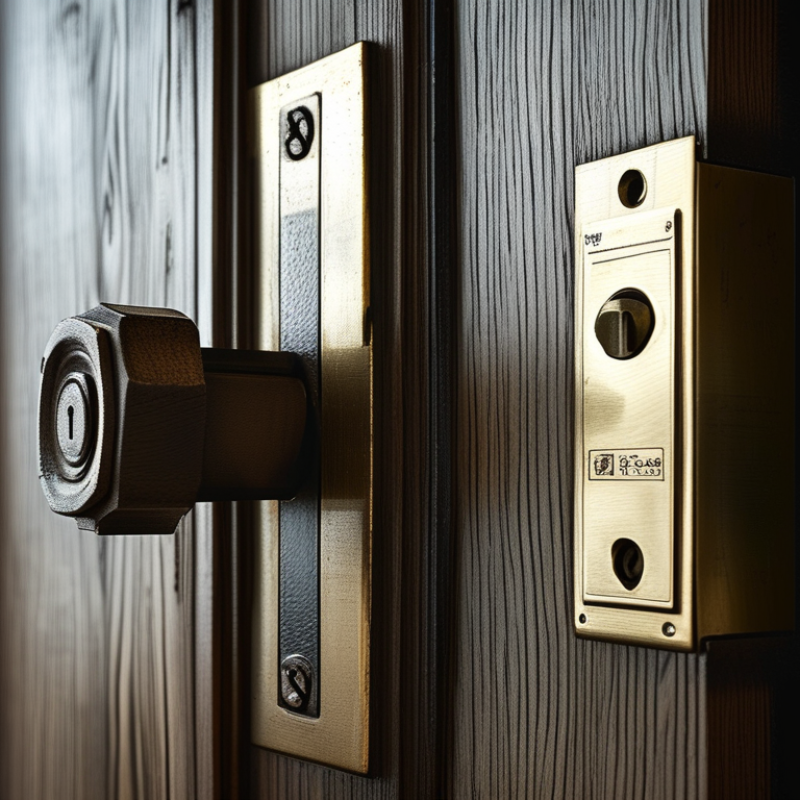
Fire rated doors play a crucial role in fire safety. They are designed to withstand high temperatures and prevent the spread of flames. Such doors are often required in commercial buildings, yet their importance is often overlooked in residential settings. Understanding the specifics of these doors helps safeguard lives and property.
Recognizing a fire rated door without its label can be challenging. Observing the construction materials can provide clues. They are typically made of solid wood or metal, giving them a more substantial feel. The edges may also show signs of reinforcement. Sometimes, the door will have a unique core structure. Even with these indicators, mistakes can happen.
It's essential to examine the frame as well. Fire rated doors are often installed with specific hardware designed to endure high heat. Pay attention to the gaps around the door; they should be minimal to prevent smoke leakage. Understanding these details can lead to better home safety practices. Awareness of fire rated doors is a step towards fire prevention.
| Feature | Description |
|---|---|
| Material | Typically made from steel or hardwood that is specifically designed to resist fire for a certain period. |
| Thickness | Fire rated doors are usually thicker than standard doors, often at least 1-3/4 inches thick. |
| Self-Closing Feature | Many fire rated doors are equipped with self-closing mechanisms for added safety. |
| Hardware | Fire rated doors often utilize specific types of hardware that are tested and approved for use with fire doors. |
| Intumescent Seals | Look for seals around the edges that expand when exposed to heat, helping to block smoke and heat. |
| Fire Rating Duration | Door ratings are typically classified by time, such as 20, 45, 60, or 90 minutes. |
: Fire rated doors help withstand high temperatures and prevent the spread of flames.
Observing the material and weight can provide clues. Look for solid wood or metal construction.
They usually have a solid core and thickness ranging from 1.75 to 2.5 inches.
Steel or reinforced frames usually indicate better fire resistance and durability.
Intumescent seals expand when heated, sealing the door and preventing smoke leakage.
They can hold back flames for up to 90 minutes according to safety standards.
Building codes provide guidelines and specific requirements for fire safety compliance.
Pay attention to gaps around the door to ensure minimal smoke leakage for safety.
Their importance is often overlooked in homes, despite being crucial for safety.
Variations in door design and construction may lead to mistakes in identification.
Identifying a fire rated door without its label can be crucial for ensuring safety in buildings. Fire rated doors play an essential role in preventing the spread of fire and smoke, providing valuable time for evacuation. To determine whether a door is fire rated, focus on key characteristics such as its thickness, the presence of intumescent seals, and specialized hinges. Visual cues like a solid structure and an absence of large glass panels may also indicate a fire rated door.
In addition, familiarize yourself with common materials used in fire rated doors, such as steel and specially treated wood, which enhance their durability against fire. Consulting local building codes can further assist in identifying fire rated doors, as these codes often outline specific requirements for fire safety. By understanding these aspects, one can effectively answer the question, "How to tell if a door is fire rated without a label?" and ensure compliance with safety regulations.

 CR Doors