In the realm of fire safety, understanding how fire prevention materials function is crucial. One key component is the intumescent seal. It plays a vital role when fire emergencies arise. But how does an intumescent seal work during a fire emergency?
These seals respond to heat by expanding significantly. They can fill gaps in doors and walls. This expansion helps block smoke and flames. By doing so, they provide vital seconds for evacuation. However, people often overlook the importance of proper installation. A poorly installed seal can lead to failure during a crisis.
While intumescent seals are effective, they are not foolproof. Regular checks and maintenance are essential. Relying solely on this technology may create a false sense of security. As we explore the intricate workings of these seals, it becomes clear that knowledge and vigilance are paramount. Understanding their role can save lives and protect property.
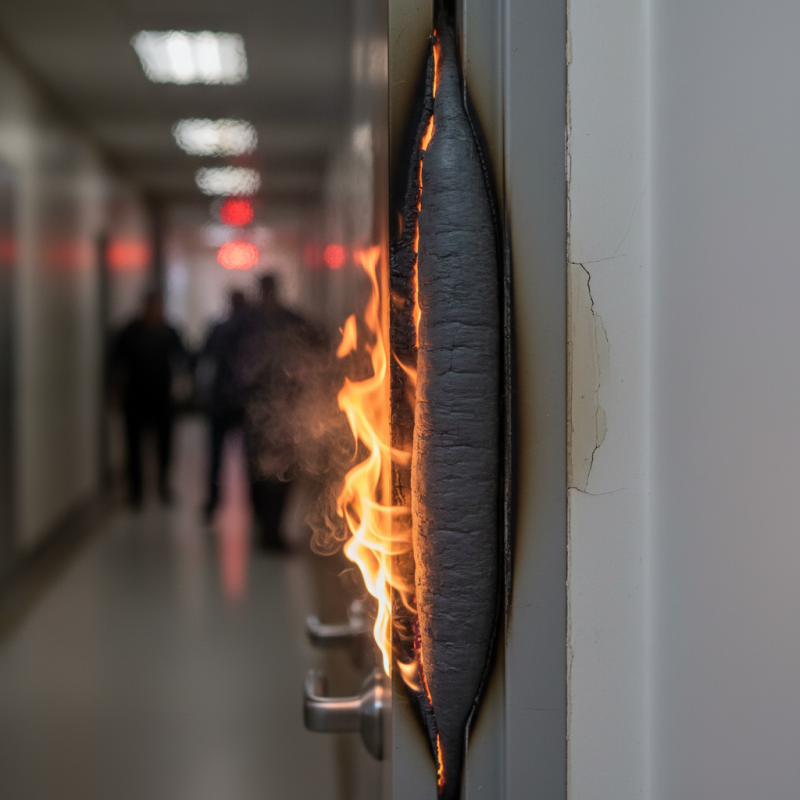
Intumescent seals play a crucial role in enhancing fire safety in buildings. These seals expand when exposed to high temperatures, forming a barrier that blocks smoke and heat. They are primarily used in doors, windows, and structural joints. According to the National Fire Protection Association (NFPA), fire door assemblies with intumescent seals can reduce the spread of flames by up to 30 minutes. This delay can be the difference between a safe evacuation and dire consequences.
The effectiveness of intumescent materials largely depends on their composition. Most of these seals are made from a blend of organic and inorganic compounds. When heated, they swell significantly, sometimes up to 50 times their original thickness. This physical transformation is critical during a fire, as it seals off openings that would otherwise allow smoke and flames to spread. A report by the Fire Protection Research Foundation indicates that homes equipped with these seals have lower rates of injury in fire emergencies.
However, not all intumescent seals are created equal. Some may not adhere properly to surfaces, leading to gaps. This raises questions about installation quality. Regular inspections can help ensure that these seals maintain their integrity. Understanding the installation process and material properties is essential for effective fire protection. Accuracy in these factors can greatly influence overall safety during a fire incident.
Intumescent seals play a crucial role in fire safety by expanding when exposed to high temperatures, sealing gaps to prevent smoke and flames from spreading. The chart above illustrates key performance metrics, including fire resistance time, expansion ratio, temperature resistance, and ease of installation, highlighting their importance in fire emergency situations.
Intumescent seals play a crucial role in fire safety, especially during emergencies. These seals are designed to react to high temperatures. When exposed to heat, they expand significantly, often up to tenfold. This expansion creates a barrier that can prevent smoke and flames from spreading through gaps in doors or walls. According to a report by the National Fire Protection Association, using intumescent seals can reduce fire spread by nearly 80%.
The mechanism of action is fascinating. Intumescent materials contain specific additives that activate when heated. As temperatures rise, these materials undergo a chemical reaction. They transform into a foam-like substance that is durable and heat-resistant. This foaming action not only seals openings but also insulates vulnerable areas. A study from the Fire Protection Research Foundation reveals that 70% of fire-related injuries occur due to smoke inhalation. Here, intumescent seals prove vital in protecting lives.
However, challenges remain. Not all intumescent seals function equally under different conditions. Factors like installation and environmental conditions can influence performance. Some seals may not expand adequately if installed improperly. Evaluating these factors is essential for optimal fire safety. That said, the potential of intumescent seals to save lives is clear. Their ability to respond effectively to heat gives further credence to their vital role in fire protection systems.
Intumescent seals offer significant benefits in building materials, especially in fire protection. These seals expand rapidly when exposed to heat. This expansion creates a barrier that prevents smoke and flames from spreading through openings in walls, floors, and doors. The material is typically incorporated in construction joints and around openings, ensuring a snug fit that enhances fire safety.
One key advantage is the versatility of intumescent seals. They can adapt to various substrates, making them suitable for diverse applications in different environments. Their effectiveness does rely heavily on proper installation. Incorrect application may not provide the intended fire resistance. Additionally, regular maintenance is crucial. Over time, environmental factors could degrade the seals, potentially compromising their performance.
Fire safety is paramount in building design. Intumescent seals contribute significantly to overall protection. However, reliance on them alone is insufficient. Comprehensive fire safety strategies should integrate these seals with other systems. Awareness of limitations is essential for achieving optimal safety outcomes. Ultimately, investing in quality materials and installation will yield significant rewards during emergencies.
Intumescent seals play a crucial role in fire protection systems. These seals expand significantly when exposed to high temperatures, creating an effective barrier against smoke and flames. In commercial buildings, intumescent seals are often used in door frames, wall penetrations, and ductwork. According to industry research, properly installed intumescent seals can reduce fire propagation by over 70%.
In residential applications, these seals are essential. They are typically used around electrical boxes, HVAC ducts, and window frames. Studies indicate that over 40% of fire-related civilian deaths occur in residential areas. This alarming statistic stresses the importance of utilizing effective fire protection systems, including intumescent seals, to safeguard lives.
Tip: Regularly inspect and maintain intumescent seals for effectiveness. This kind of barrier requires proper installation and occasional checks to ensure they are functioning as intended. If a building undergoes renovations, it’s vital to reassess the existing seals. Fire safety is not just a set-it-and-forget-it scenario; consistent evaluation is key to success. Employing professionals for installation and maintenance can also enhance reliability and adherence to safety standards.
Intumescent seals serve a crucial function in fire protection by expanding when exposed to heat. This expansion blocks smoke and hot gases. In contrast to other fire-stopping techniques, intumescent seals offer unique advantages. They are versatile and can fit various gaps, ensuring effective sealing in multiple applications.
Other methods, like fire-resistant caulk or cement, can be rigid. Once set, they may also crack or lose effectiveness over time. Intumescent seals, however, maintain flexibility and adaptability. They can adjust to the structural movements of a building. During a fire, they create a robust barrier, enhancing overall safety.
Despite their benefits, intumescent seals require proper installation. Poor application can reduce their effectiveness. Also, their performance depends on correct temperature ratings. This is an area needing constant improvement. Regular inspections ensure these seals function as intended in emergencies. Awareness of their limitations promotes better fire safety practices.
| Fire Stopping Technique | Mechanism of Action | Temperature Resistance | Duration of Protection | Ease of Installation |
|---|---|---|---|---|
| Intumescent Seal | Expands to create a barrier when exposed to heat | Up to 1200°F (649°C) | Up to 3 hours | Moderate |
| Fire Mortar | Forms a stable barrier when cured but does not expand significantly | Up to 2000°F (1093°C) | 1-2 hours | Easy |
| Fire Caulk | Seals gaps and spaces; expands when heated | Up to 1200°F (649°C) | Up to 2 hours | Moderate |
| Sheet Fire Barriers | Physical barrier that resists fire spread | Up to 1800°F (982°C) | Up to 4 hours | Difficult |
: Intumescent seals are fire safety components that expand when exposed to heat, blocking smoke and flames.
They can swell up to 50 times their original thickness when heated, forming a protective barrier.
They are commonly installed in doors, windows, and structural joints to enhance fire safety.
They can delay fire spread by up to 30 minutes, allowing more time for safe evacuation.
No, effectiveness can vary based on installation quality and environmental conditions.
Improper installation can lead to gaps, compromising their ability to protect against fire.
Yes, their foaming action provides insulation, helping to protect vulnerable areas from heat.
Regular inspections are essential. Maintaining seals helps ensure they function as intended in emergencies.
Installation quality, environmental conditions, and the materials used can affect their effectiveness.
It's important to reassess existing intumescent seals during renovations to ensure ongoing effectiveness.
Intumescent seals play a crucial role in fire safety by expanding and forming a protective barrier when exposed to high temperatures. This mechanism of action effectively seals gaps and penetrations in building materials, preventing the spread of smoke and flames during a fire emergency. The question, "How does an intumescent seal work during a fire emergency?" can be answered by understanding that these seals react to heat by swelling significantly, thereby blocking fire pathways and enhancing overall safety in structures.
The benefits of using intumescent seals include improved fire resistance and compliance with safety regulations. They are widely applied in various fire protection systems, such as around doors, windows, and service penetrations. When compared to other fire stopping techniques, intumescent seals offer unique advantages, particularly in their ability to adapt and provide effective fire protection in various conditions, making them a valuable asset in fire safety infrastructure.

CR Doors