The increasing popularity of minimalist design raises a crucial question: why are minimalist doors more expensive than traditional wooden doors? Minimalist doors showcase sleek lines and simple aesthetics, making them appealing. However, their cost often surprises consumers.
These doors require more than just style. The materials used are typically high-quality and durable, contributing to their price. Minimalist doors often prioritize function and form equally, resulting in meticulous craftsmanship. This level of precision can increase production costs.
Additionally, the demand for unique designs plays a role. Many minimalist doors are custom-made, reflecting individual taste and needs. Customization often comes at a premium, leading to higher prices. Consumers may need to evaluate if the investment aligns with their design aspirations and budgets. Reflecting on these factors provides insight into the true worth of minimalist doors compared to traditional options.
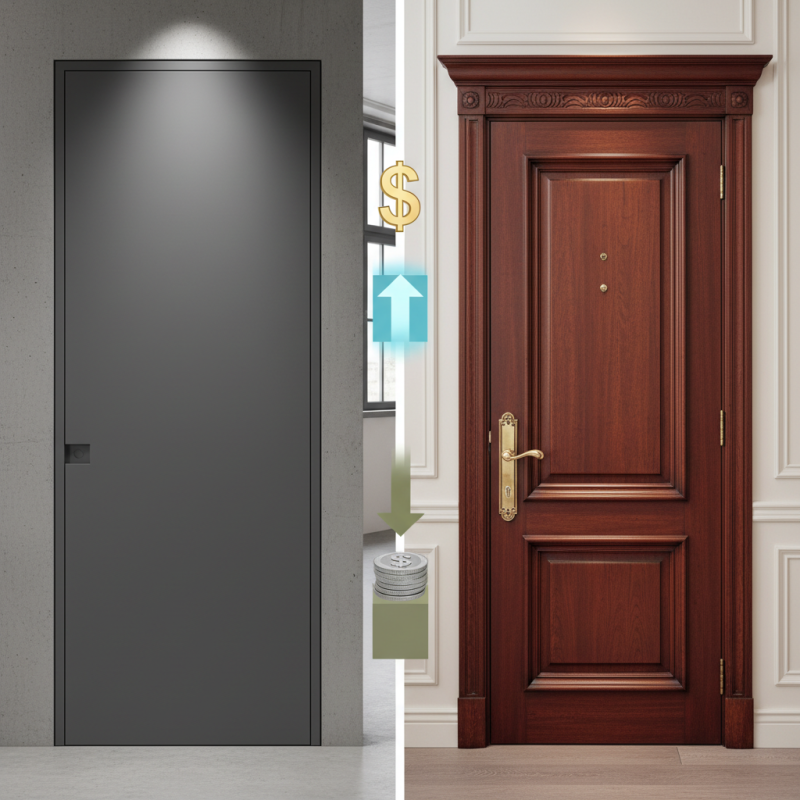
The evolution of door design reflects a broader shift in aesthetic values. Traditional wood doors have been a staple for centuries, representing craftsmanship and warmth. They often feature intricate designs, rich colors, and ornate hardware, appealing to a classic sense of style. However, as society trends towards simplicity, minimalist doors have started gaining attention. These doors focus on clean lines and understated elegance, often using modern materials like glass or metal.
Minimalist designs provide a fresh approach to home aesthetics. They enhance open spaces and encourage natural light flow. This shift is not just about looks, though. It represents a lifestyle choice. Homeowners seek environments that promote tranquility and reduce clutter. However, this transition can raise questions about value. Are minimalist doors worth their higher price tag? Some argue they lack the character of traditional doors. Craftsmanship is often replaced with mass production techniques.
There’s a growing debate on design longevity. Will minimalist doors stand the test of time? Critics point out that while they may look great today, trends change quickly. Traditional wood doors have a timeless quality, evoking nostalgia and familiarity. It’s essential to weigh personal taste against current trends. Ultimately, the choice reflects individual values and lifestyle preferences.
Minimalist doors often come with a higher price tag than traditional wood doors. This difference largely stems from the materials used in their construction. Minimalist doors typically prioritize quality over quantity. They are made from high-grade materials that enhance durability and aesthetics.
The craftsmanship involved in creating minimalist doors is also noteworthy. Skilled artisans dedicate time to ensure precision and quality. This attention to detail can lead to imperfections that may seem off-putting. However, these minor flaws often add character, making each door unique. Consumers appreciate the distinctiveness of each piece, which can justify the higher cost.
Additionally, the manufacturing process for minimalist doors often involves advanced technology. This can lead to a more environmentally friendly production, albeit at a greater expense. It's crucial to understand that the investment in these doors may reflect the broader principles of sustainability and design integrity. While the upfront cost is higher, the value and longevity could lead to long-term benefits.
In the world of door manufacturing, the artistry behind minimalist doors distinguishes them from traditional wood doors. Minimalist doors often feature clean lines and a sleek appearance, requiring advanced craftsmanship. This precision in design leads to higher production costs. According to a recent report from the Door and Hardware Institute, the labor cost associated with crafting minimalist doors can be up to 30% higher than that of standard wooden options.
The manufacturing techniques for minimalist doors involve a combination of modern technology and skilled labor. Computer numerical control (CNC) machines ensure immaculate cuts and finishes. However, the process is not devoid of challenges. Achieving a perfect balance between aesthetics and structural integrity can be tricky. Each door is not just a barrier; it's a statement piece, reflecting careful consideration and intentionality in every detail.
Another factor contributing to the pricing is the materials used. Minimalist doors often utilize high-quality, engineered wood or composite materials that provide durability. While this enhances longevity, it may not always meet everyone's budgetary expectations. There’s a push and pull between cost, design, and functionality that has yet to reach a perfect solution. Balancing these elements remains a focus for manufacturers as they navigate consumer preferences and pricing strategies.
The rise of minimalist doors reflects changing consumer preferences in home design. According to a recent market report, 60% of homeowners seek simplicity and functionality in their interiors. Minimalist designs align with these values, often preferred for their clean lines and aesthetic appeal. However, this trend has resulted in higher pricing compared to traditional wood doors.
Minimalist doors typically require advanced materials and manufacturing techniques, which contribute to their cost. Reports indicate that the demand for eco-friendly, sustainable materials has surged by 40%. Developers and manufacturers are adapting to this demand, further elevating prices. While some consumers may find these costs excessive, investing in quality and innovative design can enhance property value and longevity.
Tips: When choosing doors, consider the overall design of your space. Look for materials that fit your style and budget. Remember that minimalist does not always mean expensive, so explore various options to find the right balance between design and cost. Choosing the right door reflects your personal aesthetic while ensuring practicality.
| Door Type | Average Price (USD) | Materials Used | Market Demand (Survey %) | Design Trend (Popularity Score) |
|---|---|---|---|---|
| Minimalist Door | $800 | Glass, Metal, Composite | 75% | 9/10 |
| Traditional Wood Door | $400 | Solid Wood, Veneer | 60% | 6/10 |
| Contemporary Composite Door | $650 | Composite, PVC | 70% | 8/10 |
Minimalist doors often come with a higher price tag than traditional wood options. This can raise questions about their durability and long-term value. Research from industry experts shows that minimalist doors are designed with materials and finishes that enhance their lifespan. For example, high-quality fiberglass and metal doors can resist fading and warping. These materials provide advantages that traditional wood may not offer.
Statistics indicate that minimalist doors can last up to 30 years with minimal maintenance, while traditional wood doors may require refinishing every few years. A report by the National Association of Home Builders highlights that 60% of homeowners prefer low-maintenance options when selecting doors. This preference underscores a growing trend toward durability and efficiency in home architecture.
While the initial investment for minimalist doors is higher, their long-term value becomes more apparent over time. Homeowners might pay more upfront, but the reduced maintenance costs and longer lifespan can lead to savings. It’s essential to weigh these advantages against the aesthetic appeal of traditional wood. Ultimately, balancing cost and value can lead to a more informed decision for homeowners.
: They represent craftsmanship and warmth. Their intricate designs appeal to classic style.
They focus on clean lines and enhance open spaces. Homeowners seek simplicity and tranquility.
Some argue they lack character. Traditional doors have nostalgia, but minimalism offers a fresh perspective.
They use high-grade materials for durability and aesthetics. This often results in a higher cost.
Skilled artisans ensure quality. Imperfections can add unique character, making each door special.
Yes, they often involve technology that can result in eco-friendly production. This can increase costs.
Choices reflect individual values and lifestyle. Balancing trends with personal aesthetics is essential.
Critics worry about changing trends. Traditional designs evoke familiarity, making them feel timeless.
Look for materials that fit your style and budget. Minimalism can offer options at various price points.
There’s been a surge in demand for sustainable options, significantly contributing to higher costs.
The article "Why Are Minimalist Doors Priced Higher Than Traditional Wood Doors?" explores the various factors contributing to the higher costs of minimalist doors compared to traditional wooden options. It outlines the evolution of door design, highlighting a shift towards minimalism that emphasizes clean lines and simplicity. The article delves into material quality, demonstrating that minimalist doors often utilize advanced materials that offer enhanced durability and aesthetics, which can justify the higher price.
Furthermore, craftsmanship and manufacturing techniques play a critical role in the production of minimalist doors, requiring skilled artisans and modern technology that adds to the overall cost. Market trends indicate rising consumer preferences for minimalist designs, driving demand and subsequently increasing prices. Finally, the article emphasizes the long-term value and durability of minimalist doors over traditional wood options, positioning them as a worthwhile investment for homeowners seeking modern elegance in their spaces.

CR Doors