China Top 10 High Speed Door Maintenance Tips for Warehouses?

Time:2026-09-16 Author:Liam
0%

High-speed doors keep warehouse traffic moving, protect temperature zones, and reduce dust entering busy work areas. Yet even reliable doors can fail under constant forklift movement, frequent openings, and harsh cleaning routines. Small problems often appear first: a loose guide, a damaged curtain edge, or a sensor covered with dust. These details deserve attention.

How to maintain high-speed doors in high-traffic warehouse environments? This guide presents China’s top 10 high-speed door maintenance tips for warehouses. It covers daily inspections, sensor testing, curtain cleaning, track alignment, bottom-edge checks, lubrication, and emergency release tests. Each recommendation reflects practical maintenance experience and manufacturer-based procedures. Qualified technicians should handle electrical adjustments, control-panel work, and major repairs.

Routine checks are more valuable than occasional emergency repairs. A warehouse team can inspect the door before each shift, record unusual sounds, and report slow opening immediately. A simple log can reveal patterns that operators miss. For example, repeated stopping at the same height may indicate alignment trouble, not operator error. That assumption can waste time.

No maintenance plan is perfect. Dust returns quickly. Parts wear unevenly. Human mistakes still happen. Therefore, this article also highlights common oversights, including skipped cleaning around photo-eye sensors and delayed replacement of worn seals. Always follow the door manufacturer’s instructions, site safety procedures, and service recommendations. With disciplined inspections and realistic records, warehouse managers can improve uptime, extend equipment life, and create safer, more predictable daily operations. Reliability is built one check at a time.
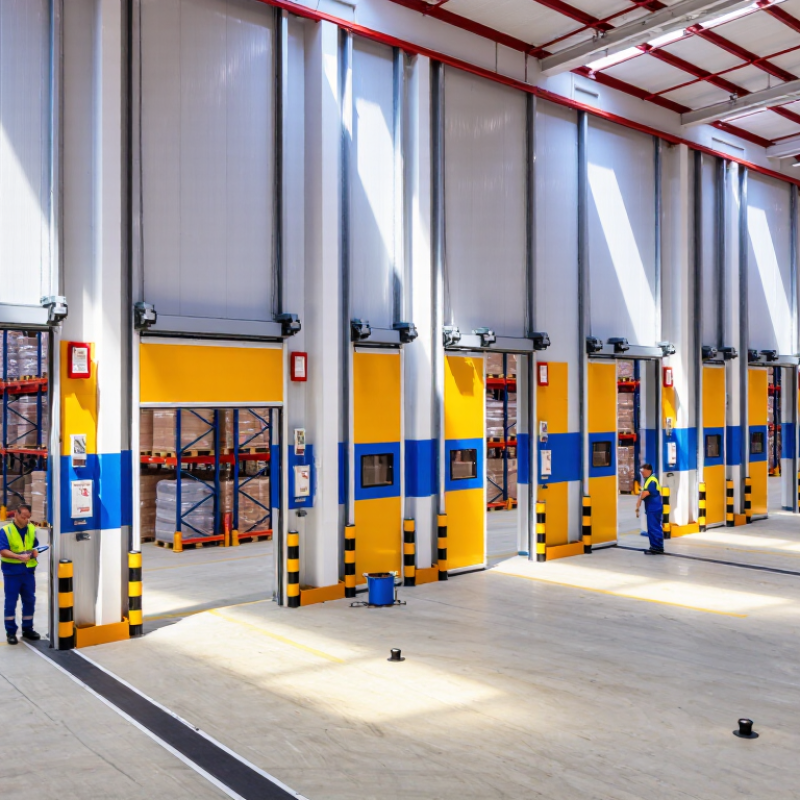
China Top 10 High Speed Door Maintenance Tips for Warehouses?

High Speed Door Components and Maintenance Requirements

China Top 10 High Speed Door Maintenance Tips for Warehouses?

High speed door reliability depends on small components. Inspect the curtain, guides, bottom edge, motor, gearbox, brake, limit switches, sensors, seals, and control panel. Remove dust from photoelectric sensors weekly. Check sensor alignment after every impact. A clean sensor is not always a healthy sensor.

During monthly maintenance, examine curtain tension and guide wear. Listen for grinding, delayed braking, or uneven travel. Lubricate only components approved by the door manufacturer. Keep the emergency release visible and test it under controlled conditions. Verify that safety edges stop movement immediately. The U.S. Bureau of Labor Statistics recorded about 2.6 million nonfatal private-industry injuries in 2023, making guarding and safe testing essential.

Record opening cycles, faults, repairs, and replaced parts. Trend data can reveal a weakening motor before failure. NFPA 80 requires annual inspection and testing for covered fire-door assemblies; fire-rated high speed doors need the same disciplined attention. Local rules may require more frequent checks. Our early checklist focused on visible damage and missed control-panel faults. That mistake still deserves review. Train operators to report impacts, unusual noise, and slow closing. Do not allow unqualified personnel to bypass sensors or adjust limits. Schedule a qualified inspection at least annually, or sooner in cold, dusty, or high-cycle warehouses.

Daily Inspection of Curtains, Tracks, Seals, and Safety Devices

China Top 10 High Speed Door Maintenance Tips for Warehouses?

Daily inspection should focus on the curtain, tracks, seals, and safety devices. Check for bent curtain slats, loose fasteners, and unusual folds. A curtain that drags may hide a damaged bottom bar. Remove dust from the side tracks with a dry brush. Do not force debris deeper into the guide.

Inspect the bottom seal for cracks, gaps, or flattened sections. Cold air, water, and pests often enter through small openings. Test photoelectric sensors, emergency stops, warning lights, and reversing edges during a controlled cycle.

The U.S. Bureau of Labor Statistics reported 2.6 million nonfatal workplace injuries in private industry in 2023. Door maintenance cannot prevent every incident, but poor testing adds avoidable exposure. ISO 13849-1 also emphasizes reliable safety-related control functions, not visual checks alone.

Tips: Record each inspection.

Use a simple checklist with the door number, time, defects, and corrective action. Listen for grinding, delayed braking, or uneven movement. These signs often appear before failure.

FM Global Property Loss Prevention Data Sheet 1-53 recommends planned inspection and maintenance for industrial equipment, especially where operational interruptions can increase loss. Keep the inspection area clear. Never place hands near moving tracks.

One practical weakness remains: busy teams may sign forms without testing every device. Supervisors should occasionally observe the inspection itself. That small review exposes habits that paperwork misses.

Cleaning, Lubricating, and Adjusting Critical Door Parts

High-speed warehouse doors need clean, correctly adjusted parts to operate safely and consistently. Maintenance should begin with power isolation and a visual inspection by trained personnel. Check the tracks for dents, loose fasteners, and trapped packaging. Remove dust and debris with a soft brush or vacuum. Wipe the door curtain with a mild cleaner, especially near the floor where forklift residue collects. Clean photo sensors carefully, then confirm their alignment with a controlled test.

Lubricate approved hinges, rollers, bearings, and moving pivots sparingly. Excess grease attracts dust and may slow the door. Inspect belts, cables, springs, and tension points for unusual wear. Never adjust a loaded spring without proper training and protective procedures. Check side guides for even spacing, because a tight guide can crease the curtain. Examine bottom seals for cuts, gaps, or hardened rubber. Small gaps can increase drafts and reduce temperature control.

Test the opening and closing limits after servicing. The curtain should stop smoothly without striking the floor or header. Listen for scraping, delayed movement, or repeated reversing. Record each adjustment, cleaning date, and replaced part in a maintenance log. This record supports reliable inspections and helps technicians identify recurring faults. A common mistake is lubricating every visible component, but some parts require dry cleaning instead. If the door still behaves inconsistently, stop repeated testing and request an electrical or mechanical assessment from a qualified professional.

Testing Sensors, Controls, Emergency Systems, and Operating Performance

High-speed doors protect warehouse temperature, traffic flow, and worker safety. Their maintenance should begin with practical testing, not visual assumptions. Inspect photoelectric sensors with a clean cloth, then interrupt the beam during closing. The door must stop or reverse immediately. Test edge sensors separately. A delayed response indicates contamination, alignment problems, or damaged wiring.

Controls also need careful attention. Check opening and closing limits, control-panel buttons, warning lights, and access signals. Confirm that the door does not move after a release command. Emergency stop devices should be tested under controlled conditions, with nearby staff informed beforehand. Manual release systems must operate smoothly, even during a power interruption. Never bypass a safety circuit to keep production moving. That shortcut creates a serious blind spot.

Operating performance reveals problems that a checklist may miss. Record opening speed, closing speed, unusual vibration, air leakage, and repeated reopening. Compare these observations with the door’s service specifications. Listen for grinding near rollers and watch for uneven movement across the curtain. Dust often gathers around sensors in busy loading areas. Clean it regularly, but do not spray liquid into electrical controls. A maintenance log should include dates, test results, repairs, and the technician’s name. Small errors are possible, especially during rushed shifts. A second check can catch them. When faults continue, isolate the door and request assessment from a qualified service professional.

China Top 10 High Speed Door Maintenance Tips for Warehouses

Recommended annual inspection cadence for sensors, controls, emergency systems, and operating performance

Weekly checks are prioritized for safety-critical components such as photo-eye sensors and safety edges. Monthly, quarterly, and semiannual inspections cover controls, structural parts, emergency functions, and operating performance. These frequencies are practical planning benchmarks; always follow the applicable local safety requirements and the door manufacturer's service instructions.

Preventive Maintenance Scheduling, Repairs, and Safety Documentation

China Top 10 High Speed Door Maintenance Tips for Warehouses?

A reliable maintenance plan begins with a fixed schedule, not a breakdown call.

Inspect each high speed door daily for torn curtains, loose guides, damaged seals, unusual noise, and slow movement. Test photo eyes, emergency stops, warning lights, and manual release devices weekly. Every month, check fasteners, rollers, tracks, motor response, and control-panel connections. Record the door number, inspection date, defect, technician, repair action, and follow-up date.

Small faults become costly interruptions. Replace worn guides quickly, but do not adjust springs, brakes, or electrical controls without trained personnel. OSHA’s 1910.147 energy-control standard requires documented procedures before servicing hazardous equipment. The U.S. Bureau of Labor Statistics recorded about 2.6 million nonfatal private-industry workplace injuries in 2023. That figure reinforces a practical point: maintenance records must support safer decisions, not merely satisfy an audit.

Use a risk-based calendar for loading bays with heavy traffic, dust, forklifts, or temperature changes. Keep before-and-after photographs for damaged curtains and repeated alignment failures. Note recurring problems honestly. A checklist can still miss intermittent sensor faults. Review it. After every repair, run at least three complete cycles and confirm safe stopping distance. Store manuals, training records, inspection forms, and corrective-action evidence together. Missing documentation often delays diagnosis more than the repair itself.

FAQS

How often should warehouse high-speed doors be inspected?

Inspect doors daily for torn curtains, loose guides, damaged seals, noise, and slow movement. Test safety devices weekly. Schedule monthly component checks and a qualified annual inspection. High-cycle or dusty sites may need more frequent service.

Which components require regular inspection?

Check the curtain, guides, bottom edge, motor, gearbox, brake, sensors, seals, and control panel. Look for creases, grinding sounds, uneven travel, and delayed braking. Small defects can spread quickly.

How should photoelectric sensors be maintained?

Remove dust weekly with a soft cloth or suitable cleaning method. Check alignment after every impact. Then perform a controlled movement test. A clean sensor may still be faulty.

What cleaning method is suitable for high-speed doors?

Isolate power before cleaning and inspecting the door. Use a soft brush or vacuum on tracks and guides. Wipe the curtain with mild cleaner, especially near the floor. Forklift residue often gathers there.

Which parts should be lubricated?

Lubricate only approved hinges, rollers, bearings, and moving pivots. Use small amounts. Excess grease attracts dust and may slow the door. Some components need dry cleaning instead.

What safety checks should follow maintenance?

Test opening and closing limits after servicing. The curtain should stop smoothly without striking the floor or header. Confirm that safety edges stop movement immediately. Test emergency release devices under controlled conditions.

What maintenance tasks require qualified personnel?

Trained personnel should adjust springs, brakes, limits, electrical controls, and loaded tension systems. Unqualified workers must not bypass sensors. Stop work when the door behaves inconsistently.

What information should a maintenance log contain?

Record the door number, inspection date, defect, technician, repair, replaced parts, and follow-up date. Include opening cycles, faults, and before-and-after photographs. Records reveal repeated alignment problems. They also expose weak habits.

How should repairs be verified before returning the door to service?

Run at least three complete cycles after every repair. Confirm smooth travel, safe stopping, sensor response, and manual release operation. If faults continue, stop repeated testing and request mechanical or electrical assessment. One checklist may miss intermittent failures.

Conclusion

Maintaining high-speed doors in a busy warehouse requires a structured approach that combines daily checks, regular cleaning, and timely repairs. How to maintain high-speed doors in high-traffic warehouse environments? Begin by inspecting the curtain, tracks, bottom seal, guides, fasteners, and safety devices for wear, dirt, misalignment, or damage. Clean critical components regularly, lubricate approved moving parts, and adjust tension, alignment, and closing limits when necessary. Keeping the door area clear also helps prevent impact damage and interruptions.

Preventive maintenance should include testing photo sensors, control buttons, emergency stop functions, warning signals, and manual release systems. Observe opening and closing speed, unusual noise, vibration, and sealing performance, recording any changes for follow-up. Establish a maintenance schedule based on usage frequency and operating conditions, with qualified personnel handling adjustments and repairs. Accurate inspection logs, service records, and safety documentation help identify recurring problems, support consistent performance, reduce unexpected downtime, and extend the door’s service life.

Liam

Liam

Liam is a dedicated marketing professional with a profound expertise in the industry, where he excels at highlighting the unique advantages of our core products. With a keen understanding of market trends and consumer needs, Liam frequently updates our company’s professional blog, providing......