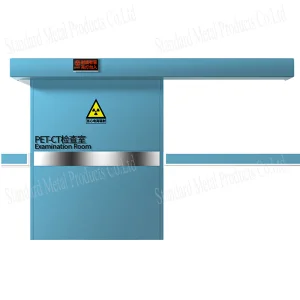
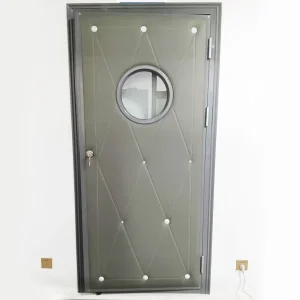
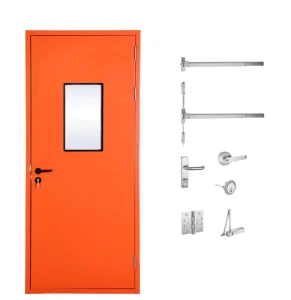
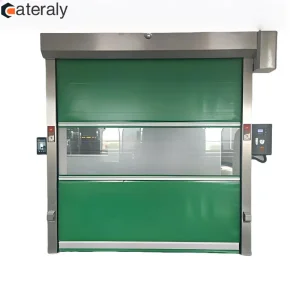
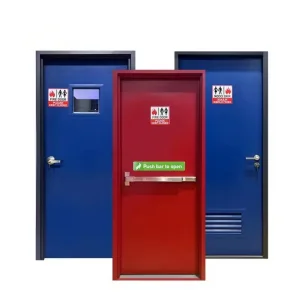
Explore our primary array of high-integrity engineered entrance mechanisms, manufactured to meet extreme environment safety, radiation shielding, and thermal-fire insulation criteria.
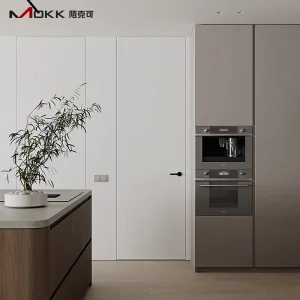
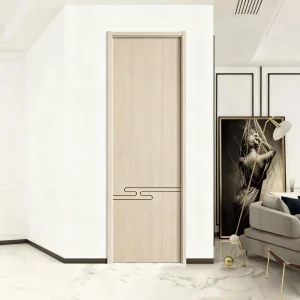
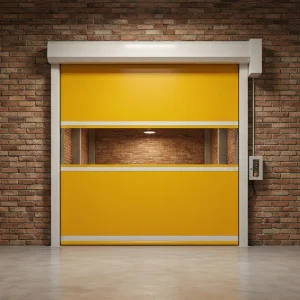
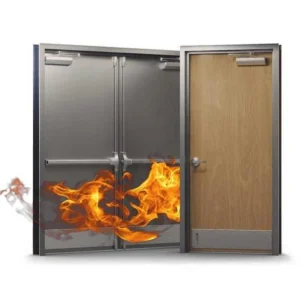
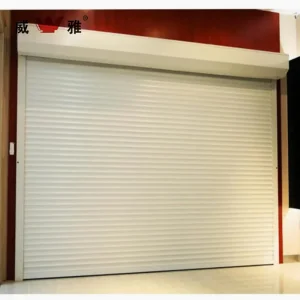
In the domain of commercial construction, industrial engineering, and public facility management, life safety infrastructure is non-negotiable. Single-action panic doors form the foundation of emergency egress strategies. Engineered to release latch mechanisms instantly via a single mechanical motion—such as pushing a horizontal bar or dynamic touch-pad—these systems prevent catastrophic crushes and ensure rapid evacuation under zero-visibility or high-panic situations.
Regulatory bodies worldwide, including the National Fire Protection Association (NFPA 101 Life Safety Code), the International Code Council (ICC/IBC), and European standardization networks (EN 1125 & EN 179), mandate these specialized assemblies across assembly, educational, healthcare, and industrial occupancies. Designing these units requires balancing egress ease with building security, fire containment, and acoustic performance.
For EPC contractors, engineering leads, and multinational facility developers, procurement involves verifying rigorous technical metrics. Below is an engineering evaluation grid for exit mechanisms.
Exit doors must align with international codes. Commercial public buildings require panic bars certified under EN 1125 (horizontal push bar) or EN 179 (emergency push pad). In North American territories, compliance with UL 305 (Panic Hardware) and NFPA 101 codes is mandatory to secure occupancy permits.
High-traffic environments require long-term durability. Quality specifications demand ANSI/BHMA Grade 1 certification, verifying the mechanical panic bar operates correctly through a minimum of 500,000 to 1,000,000 cycles. European Grade 8 requirements stipulate a minimum of 200,000 successful cycles.
Corrosion resistance is crucial for industrial plants, marine environments, and cleanrooms. Specifiers should select grade 304 or 316 stainless steel, anodized architectural aluminum, or high-tensile structural carbon steels paired with heavy zinc plating to resist environmental degradation.
| Performance Metric | Commercial Grade Specification | Heavy Industrial Specification | Healthcare & Cleanroom Spec |
|---|---|---|---|
| Latching Mechanism Force | Maximum 66 N (15 lbf) to release latches | Maximum 50 N to release under high wind load | Anti-microbial push-pad, < 50 N release |
| Fire Containment Rating | 60 to 90 Minutes (UL 10C / EN 1634-1) | 120 to 180 Minutes (Reinforced Core, Intumescent Seals) | Integrity (E) and Insulation (EI) compliant |
| Acoustic Isolation | STC 35 (Standard sound reduction) | STC 40 - STC 45 (Heavy core acoustic batting) | STC 38+ paired with automated drop seals |
| Air Tightness & Seal | Standard weather stripping | IP65 equivalent industrial gasket seals | Positive/Negative pressure containment gaskets |
Single-action panic systems must adapt to the specific requirements of the buildings they protect. Here is how key industries configure their systems:
In cleanrooms, laboratories, and modern hyperscale data centers, doors must prevent air exchange while offering panic exit functionality. These systems use airtight, single-action escape doors fitted with electromechanical panic devices.
Hospital corridors, operating rooms, and isolation wings require distinct safety solutions. Egress doors must protect patients, maintain hygienic barriers, and block radiation when needed.
As smart building automation systems grow, egress hardware is transitioning from purely mechanical units into integrated physical-digital systems.
Modern panic bars now feature integrated microswitches and telemetry nodes. Building security systems can monitor the latch position, push bar engagement, and cycles in real time. If a door is held open or a latch fails to seat, facility managers receive automated alerts, maintaining the building's thermal envelope and security.
To prevent retail theft and unauthorized exits from research zones, delayed egress devices pause opening for 15 to 30 seconds when pushed. However, when the central fire alarm system triggers, the control system immediately overrides the delay, reverting the door to instant mechanical single-action operation.
Thermal breaking technology within steel and aluminum extrusions prevents cold bridging, helping buildings meet strict energy codes. Combined with multi-point intumescent seals that expand up to 25 times their size under high heat, modern doors block smoke, drafts, and heat transfer during emergencies.
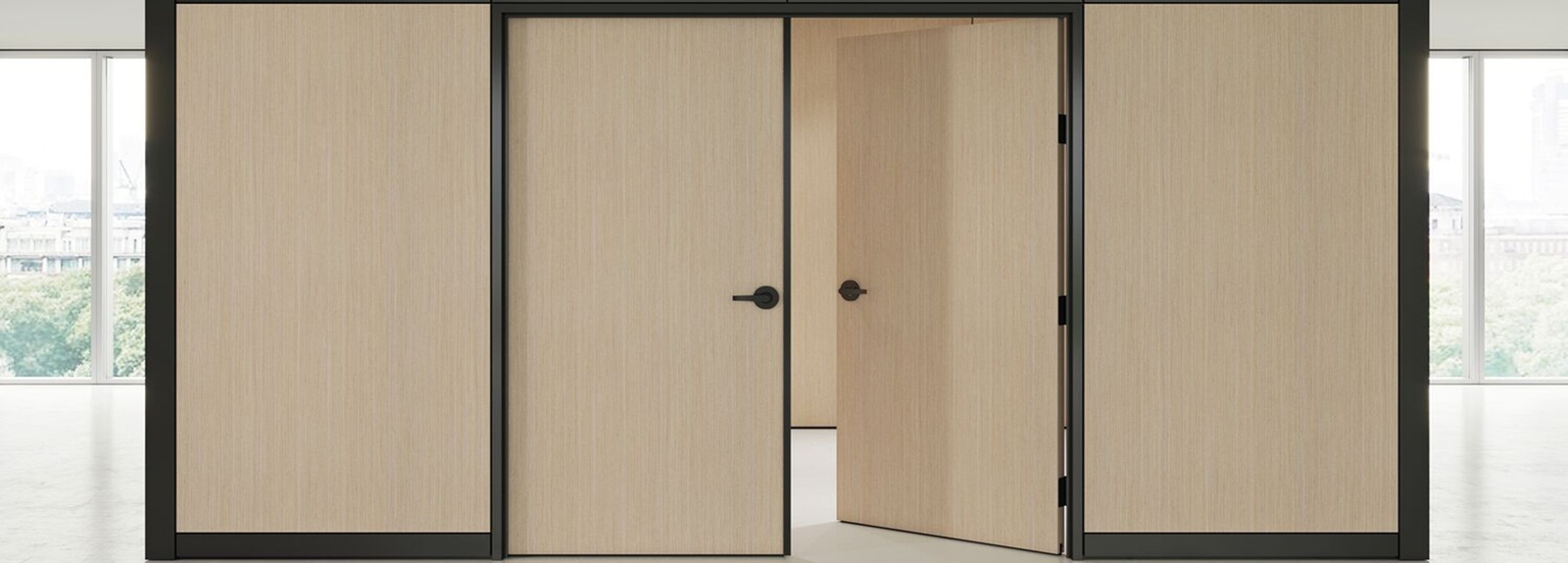
Changzhou CR Doors Co., Ltd. is an industry innovator specializing in the research, design, manufacturing, and support of high-performance fire doors, fire-resistant windows, and specialized building safety products. Operating out of a 20,000 square meter facility, we deliver engineered safety solutions for commercial, industrial, and public infrastructure projects worldwide.
Our product range features advanced configurations: fire-resistant doors, high-durability fire shutters, train transit door assemblies, steel-aluminum composite window frames, waterproof doors, and specialized explosion-resistant escape systems. Designed to satisfy international certifications including ISO 9001 for Quality Management, ISO 14001 for Environmental Management, and GB/T28001 for Occupational Health and Safety, we maintain quality standards across our entire production line.
By keeping our research and development, testing, and fabrication in-house, CR Doors offers customizable sizing, hardware integration, and acoustic tuning tailored to your project. We provide complete structural safety and compliance, assisting developers from initial planning through to final inspection.
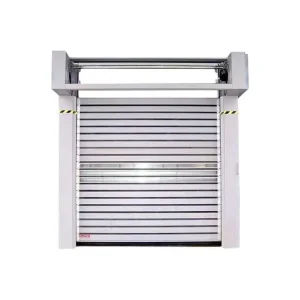
Discover our heavy-duty rolling shutters, industrial fast-action fabric barriers, thermal insulated entryways, and certified emergency escape door structures.

Answers to key engineering, mechanical, and regulatory questions regarding panic egress systems.
 CR Doors