Explore our curated selection of fireproof, hurricane-resistant, and structural security barrier designs.
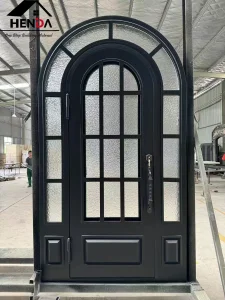
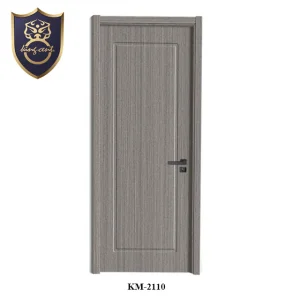
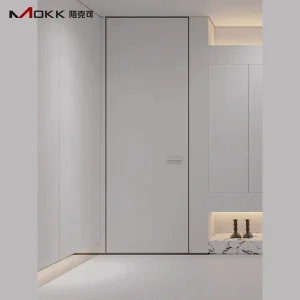
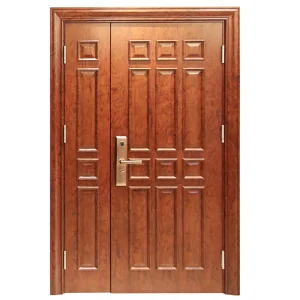
In the realm of high-end commercial facades, historic restorations, and luxury residential projects, Architectural Bronze Doors represent the ultimate synergy of aesthetics, longevity, and structural performance. Unlike common alternative metals, architectural bronze (typically copper-zinc alloys classified under UNS C38500 or C22000) undergoes natural oxidation, developing a protective, rich patina over time that shields the core metal from corrosion while deepening its historic appeal.
For architects and building envelopes specifiers, choosing bronze is not merely an aesthetic statement. It is a long-term investment. Modern architectural bronze door manufacturing incorporates advanced thermal break systems, structural multi-point latching mechanisms, and specialized safety parameters like bullet resistance and fire protection. This whitepaper analyzes how leading global manufacturers fabricate these entryways, the material science behind their performance, and why partnering with vertically-integrated factories offers unmatched commercial advantages.
Changzhou CR Doors Co., Ltd. is a leading innovator in the research, design, manufacturing, and service of high-performance fire doors, fire-resistant windows, specialized safety entryways, and premium architectural metal systems. Spanning over 20,000 square meters of dedicated, state-of-the-art production space, we take pride in delivering superior security and safety solutions for high-spec applications across the globe.
Our extensive product portfolio spans across various protection classes, including fire-resistant doors, fire windows, fire shutter doors for public structures, interval fire doors, hermetically sealed fire doors for rail transit, high-end residential entry safety doors, steel-aluminum composite fire windows, waterproof fire doors, explosion-proof fire doors, and bespoke architectural metal installations. Each of these solutions is engineered to satisfy the most rigorous international standards alongside China's national codes, assuring absolute security, durability, and visual elegance.
Our production facilities strictly adhere to internationally recognized regulatory frameworks, including ISO9001 for Quality Management Systems, ISO14001 for Environmental Protection, and GB/T28001 for Occupational Health and Safety Management. This ensures that every bronze or steel door is produced under rigid, traceable oversight.
As a comprehensive solution provider, CR Doors merges Research & Development, precision manufacturing, strict laboratory testing, and technical installation guidelines. Our vertically integrated approach lets us custom-engineer products to fit complex structural loads and architectural specifications.
We serve global commercial, industrial, and high-end residential markets. From high-integrity fire ratings to custom monumental bronze entries, our design agility ensures that performance and architectural vision align seamlessly, keeping installation lead times highly optimized.
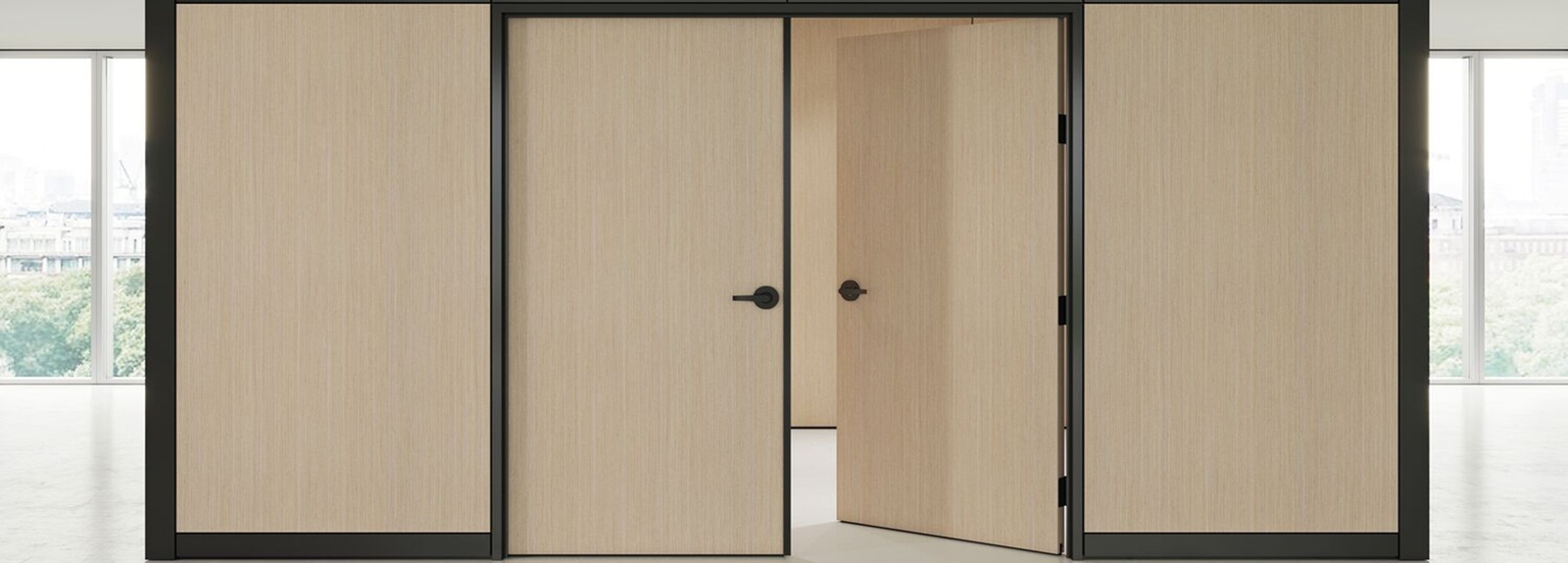
Modern building design demands structures that are not only energy-efficient and secure but also sustainable and visually timeless. This convergence has sparked a revolution in the design and production of architectural copper and bronze assemblies:
Historically, solid bronze profiles acted as thermal bridges, transferring external cold or heat directly inside. Today, advanced manufacturers utilize multi-cavity, fiber-reinforced polyamide thermal breaks. These insulation cavities isolate the exterior bronze cladding from the interior face, yielding U-factors that comply with strict green building standards like LEED and Passive House.
Luxury and institutional entries now mandate hidden security integration. Architectural bronze doors are built with concealed biometric readers, motorized multi-point locks, and motorized door closers that interface seamlessly with building management systems (BMS).
Bronze is inherently circular. Scrap material and decommissioned profiles can be melted down and re-extruded without loss of structural or cosmetic integrity. With global construction focusing heavily on Embodied Carbon tracking, architectural bronze offers a circular life cycle that outlasts aluminum or timber doors by centuries.
Rather than waiting decades for natural oxidation, advanced finishing departments employ acid-etching and heat-curing to achieve precise, uniform patinas—ranging from light statuary bronze to deep oil-rubbed bronze and verdigris—tailored to specific architectural themes.
China's manufacturing sector has progressed from basic assembly to advanced, high-precision engineering. For international procurement managers, sourcing architectural bronze doors from leading Chinese factories like CR Doors presents distinct strategic advantages:
From copper mines and extrusion mills to chemical patination labs and high-end hardware manufacturers, China's industrial clusters reduce lead times and logistics costs. This integrated ecosystem ensures constant quality and access to custom alloys.
Our production facility features 5-axis CNC machining centers, automated laser cutting, and robotic welding. This guarantees that frame tolerances are kept under 0.5mm, ensuring smooth movement and airtight seals on monumental doors.
Bespoke architectural bronze requires expert manual detailing—such as hand-burnishing welds and custom patination. Sourcing from China combines precision automated machining with cost-efficient master metal craftsmanship, offering unparalleled value.
Bespoke bronze systems offer structural integrity and aesthetic prestige across many challenging architectural environments:
Luxury brands require storefront entries that project prestige and security. Custom bronze doors paired with ultra-clear low-iron laminated safety glass provide high-security barriers while maintaining inviting, high-visibility storefronts.
Restoring government offices, museums, or universities requires matching historic detailing while adhering to modern fire codes. CR Doors designs bronze clad profiles that replicate historic designs, incorporating hidden structural reinforcement and fire-resistant cores.
Saltwater spray degrades standard metals. Bronze reacts with coastal air to develop a resilient copper carbonate patina that acts as a natural barrier, protecting the door's structural integrity where anodized aluminum or steel would pit and corrode.
For boardrooms and executive suites, custom bronze pivot doors provide high sound-dampening index (STC) ratings and a clean, minimalist design profile, establishing an elegant visual anchor.
Managing large-scale construction requires balancing design vision, compliance, and budget. CR Doors acts as an engineering partner, helping clients mitigate project risks through technical, end-to-end consulting:
We provide complete BIM models and detailed CAD drawings to integrate with master architectural plans. This avoids onsite modification, minimizes structural clashes, and simplifies installation coordination.
Our entryways are engineered to comply with regional codes, including European standard (EN) certifications, UL fire protection listings, and ASTM hurricane and wind-resistance guidelines.
Discover our specialized products, featuring radiation shielding, UL certified fire protection, and custom entry configurations.
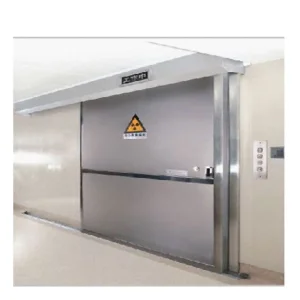
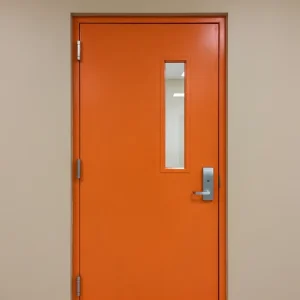
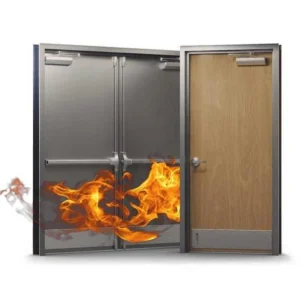
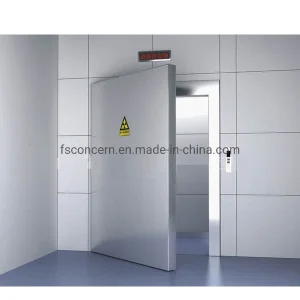
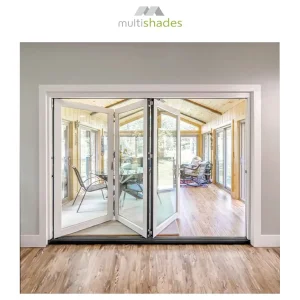
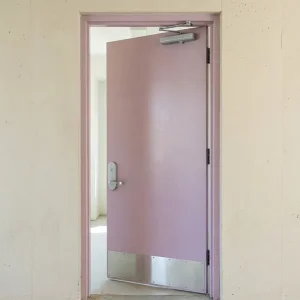
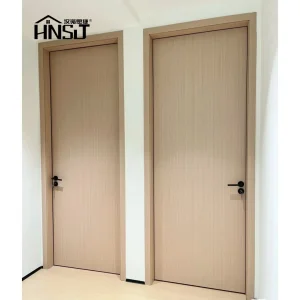
Find answers to key technical, engineering, and logistical questions regarding our door systems.
Architectural bronze is primarily an alloy of copper and zinc (around 57% copper, 40% zinc, and 3% lead). This formulation makes it harder and more structurally sound than pure copper, while offering better resistance to corrosion and weathering than standard brass.
Yes. By combining custom bronze cladding over a high-integrity mineral wool core and steel reinforcements, CR Doors manufactures entryways that comply with UL, BS, and EN fire safety standards, matching aesthetics with verified occupant protection.
We offer various chemical patination finishes, including burnished, statuary (light, medium, dark), oil-rubbed, and traditional antique verdigris. We also provide protective waxes or clear coats to preserve a specific tone, or leave them unfinished to patina naturally over time.
Our products utilize heavy-duty EPDM, silicone, or specialized structural weatherstripping (such as our Windguard sealing systems). This design keeps assemblies tightly sealed against levels 4-8 wind pressure, preventing air infiltration and water leaks.
Lead times vary between 6 to 10 weeks depending on design complexity, hardware integration, and patination processes. This timeline includes layout design, CAD approvals, precision machining, structural assembly, and compliance testing.
 CR Doors