Direct manufacturer supply pathways, optimized for security system integration and architectural performance.
Modern commercial and industrial architectural design has evolved from basic perimeter delineation to active, smart facility management. In an era dominated by IoT integration and elevated regulatory compliance, Electronic Access Control Doors serve as the primary physical security nodes within critical systems. No longer passive wood or steel barriers, these systems incorporate electromagnetic locking mechanisms, dry contacts, sensors, and structural cores capable of withstanding external vectors like fire, radiation, explosions, and extreme weather.
According to current market intelligence, the demand for integrated access control door structures is driven by several key global vectors:
"The definition of a door has evolved. Today's commercial security entrance is an intelligent terminal. It must simultaneously serve as a barrier against unauthorized access, a fire-rated containment seal, and a reliable data node within an enterprise’s security network."
Enterprise procurement professionals and project engineers look for manufacturers that cross-reference specific criteria.
Compliance is non-negotiable. Sourcing teams prioritize factories with ISO9001 (Quality), ISO14001 (Environmental Management), GB/T28001 (Occupational Health & Safety), alongside UL 10C (Fire), CE, and local radiation safety certifications.
Every facility layout demands specific profiles. Sourcing administrators require pre-sales architectural engineering support to review wind-load math, hardware compatibility checklists, and custom finish requirements (e.g. Cleanroom-grade 304/316 Stainless Steel).
Exporting complex structural doors demands rigorous structural packaging (preventing warping or lead lining slippage in transit). A reliable exporter handles structural crating, custom documentation clearance, and handles marine freight with strict shock monitoring.
Electronic access control doors are implemented across different vertical markets with highly specialized physical traits. As manufacturers, we build custom solutions matching specific structural requirements for different industries:
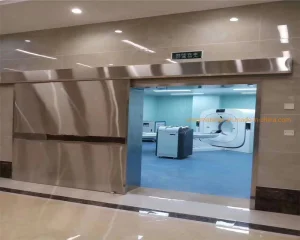
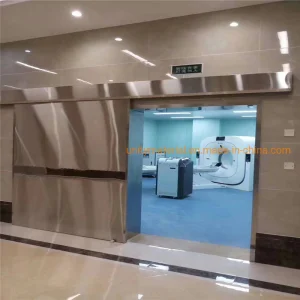
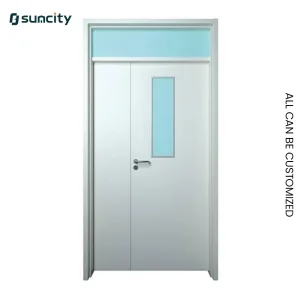
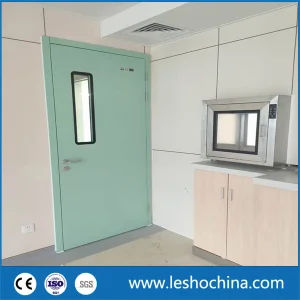
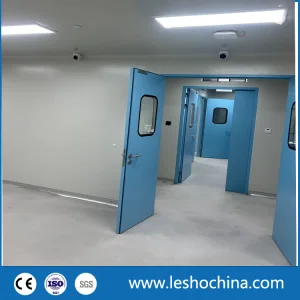
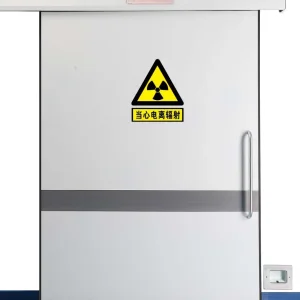
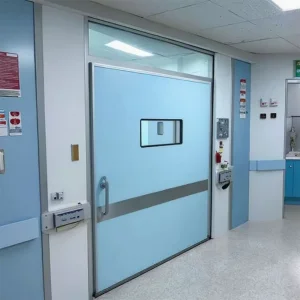
Cleanroom environments and diagnostic centers represent some of the most complex architectural door requirements. In medical imaging (such as MRI and CT scan suites), doors require structural lead sheeting inside the core to attenuate hazardous ionizing radiation. Furthermore, these doors must be integrated with touchless pneumatic or automatic belt-driven sliding motors to prevent sterile field contamination. 304 kick-plate steel structures protect cleanroom doors against dynamic impacts from medical carts.
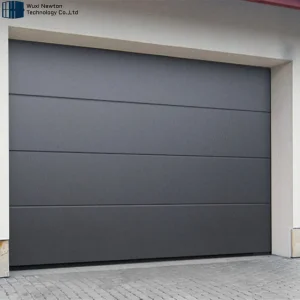
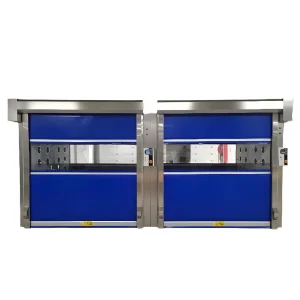
Logistical hubs demand both speed and airtight security. Industrial rolling shutters, fast-action PVC roller doors, and heavy-duty steel fire-rated escape portals are designed to operate millions of cycles without mechanical failure. High-speed roll-up doors are linked with access sensors or magnetic loops to authorize transport vehicles instantly, maintaining thermal insulation and controlling internal dust contamination.
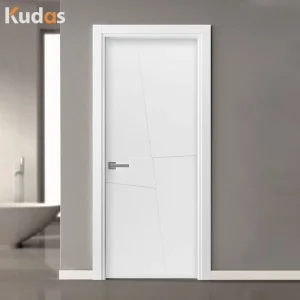
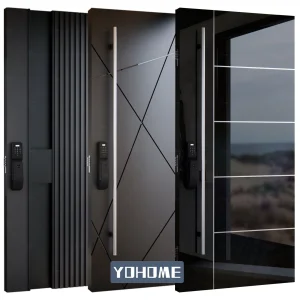
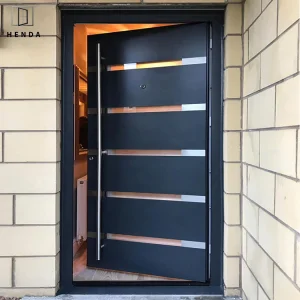
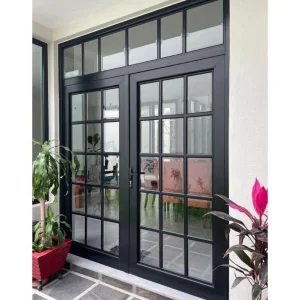
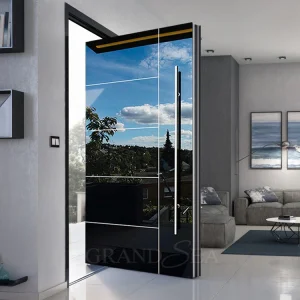
Corporate headquarters and high-end residential estates focus heavily on security without compromising aesthetics. Modern pivot entry systems, cast aluminum villa doors, and hurricane-resistant glass systems are paired with hidden electromagnetic locks, biometric handles, and perimeter control units. They are tested to resist impact forces (such as Category 5 hurricane wind loads) while integrating seamlessly with local smart home protocols or enterprise access management software.
Changzhou CR Doors Co., Ltd. is a leading innovator in the research, design, manufacturing, and service of fire doors, fire-resistant windows, and specialized fire-resistant materials. With over 20,000 square meters of dedicated production space, we take pride in delivering superior safety solutions for a wide range of applications across the globe.
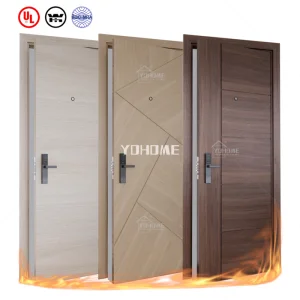
Our extensive product line includes fire-resistant doors, fire windows, fire shutter doors for public buildings, interval fire doors, sealed fire doors for rail transit, high-end entry safety doors, steel-aluminum composite fire windows, waterproof fire doors, explosion-proof fire doors, and many other advanced fire protection solutions. Each of these products meets the highest international standards, as well as China’s national standards, ensuring unparalleled safety and performance.
At CR Doors, we are committed to the highest levels of quality and safety. We adhere to internationally recognized certifications such as ISO9001 for Quality Management Systems, ISO14001 for Environmental Management, and GB/T28001 for Occupational Health and Safety Management. Our products and practices are in full compliance with the latest standards, giving our clients confidence in the reliability and integrity of our fire safety systems.
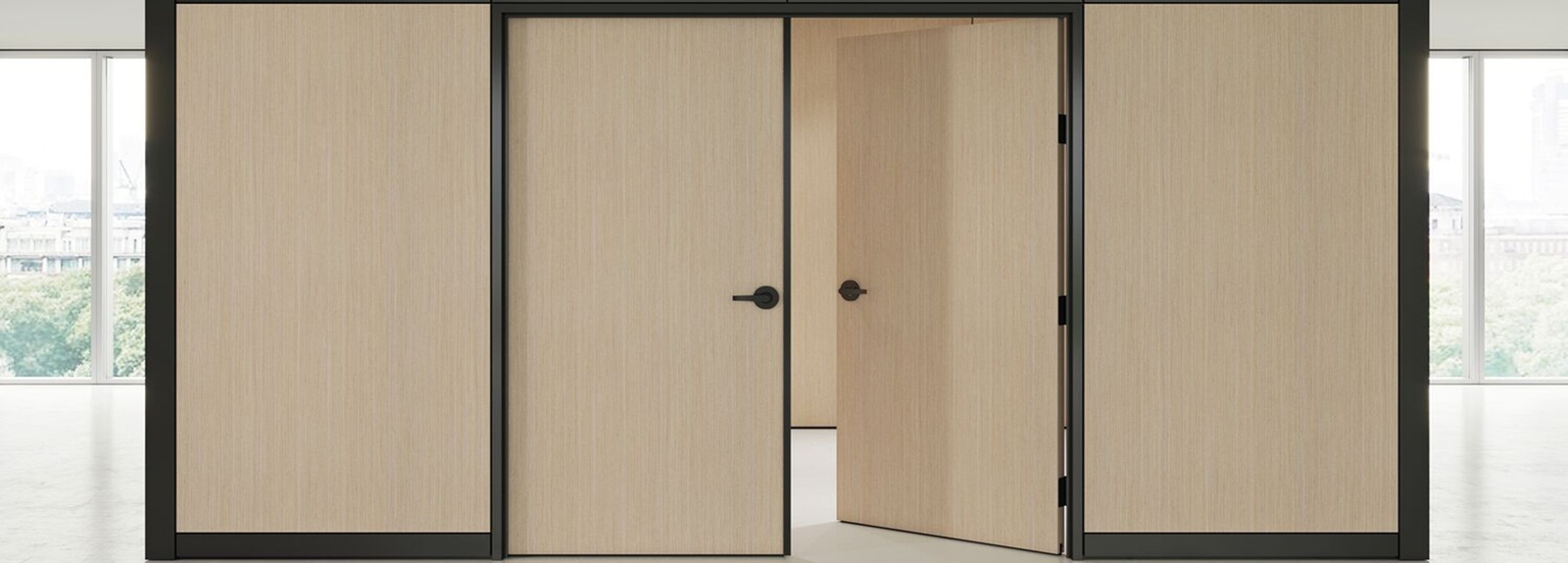
As a specialized fire door manufacturer and comprehensive solution provider, CR Doors integrates Research & Development, manufacturing, testing, and installation services to offer fully certified fire safety systems. We cater to a wide variety of sectors, including global commercial, industrial, and residential projects. By managing every aspect of production and quality control internally, we ensure that our solutions are not only reliable but also customizable to meet the specific needs of each project.
Our commitment to excellence and safety drives us to deliver top-tier fire protection that meets both current and future challenges. With a focus on direct quality control, agility in product customization, and end-to-end accountability, CR Doors is dedicated to providing the highest standard of fire safety, every step of the way.
To stay ahead in the global landscape, our R&D initiatives focus on bringing advanced technological iterations to our architectural and security portals:
Addressing the technical concerns of architects, project managers, and security system specifiers.
Engineered for high-frequency usage, extreme environmental conditions, and rapid egress requirements.
Our engineering design team can assist you in matching structural frame styles, access control locking options, and international fire codes.
Contact Our Engineers CR Doors